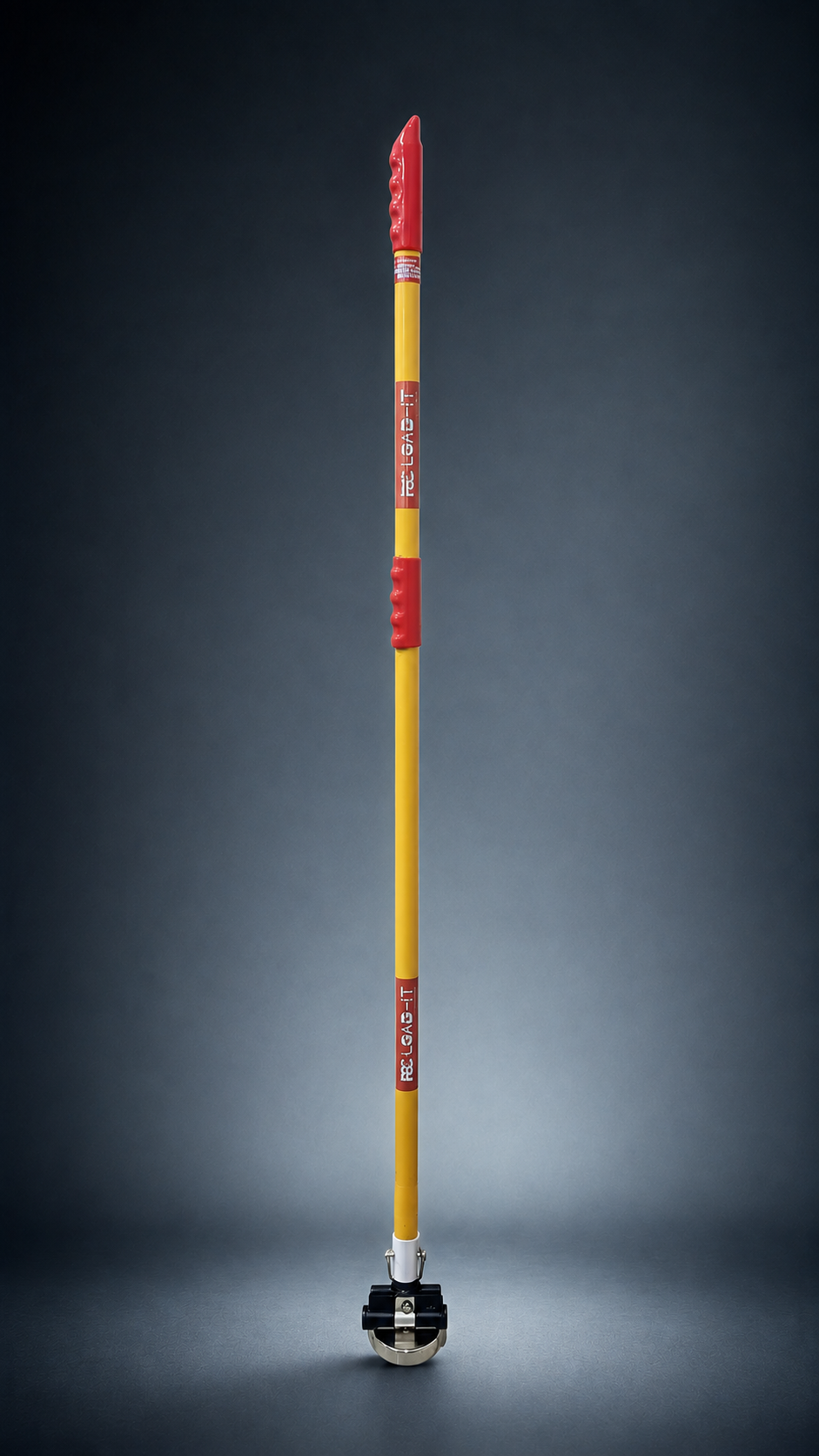
Band 01
Clean, bare steel
Best. Closest to the published laboratory rating.
Standard test pull before use.
Selection Centre · Surface Condition · PSC Load-It®
The single most important thing to verify before using a magnetic push-pull tool is not on the specification sheet. It is on the surface of the load you are about to guide.
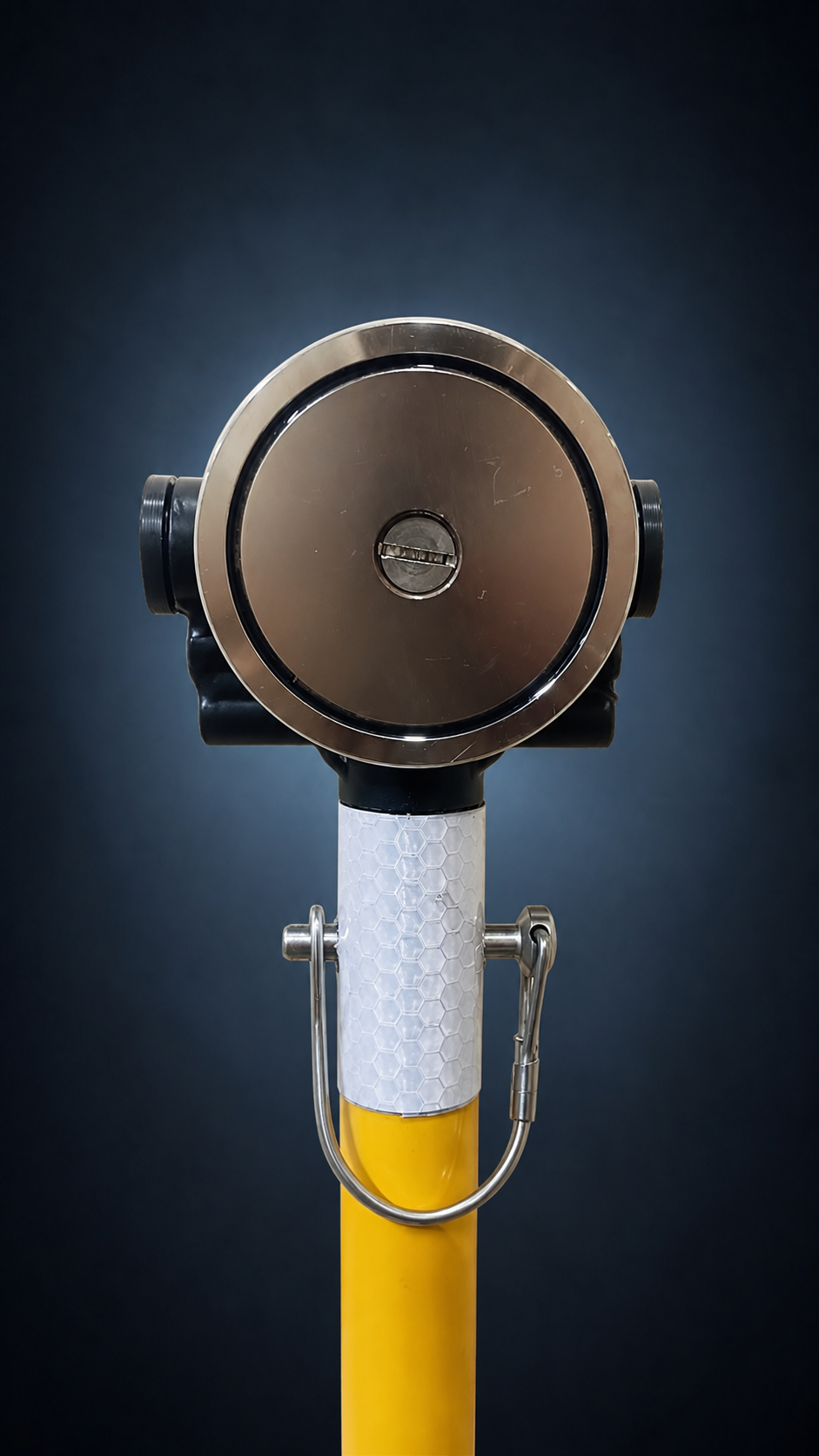
Published magnetic ratings describe laboratory conditions. The actual work surface determines the engagement quality available for the guidance task.
Surface Condition Bands
Treat the actual steel surface as part of the tool-selection and pre-use verification process.
Best. Closest to the published laboratory rating.
Reduced. Thin coating creates a small but measurable air gap.
Significant reduction. Standard as-rolled surface on structural steel and plate.
Significant reduction. Both coupling and friction affected.
Unreliable. Do not assume the tool will engage adequately.

The Pre-Use Test Pull
Before applying guidance force to a suspended load, engage the magnetic head on the actual work surface and apply a light pull to confirm it is properly seated.
This takes approximately three seconds. It is the single most reliable way to verify that the surface condition on this specific load, on this specific day, permits reliable engagement.
Do not assume that a surface that engaged reliably on the previous load will engage the same way on the next. Surface condition varies between loads, between locations on the same load, and with environmental conditions on site.
Verify every load, every work surface and every guidance task independently.
Mill Scale — A Note
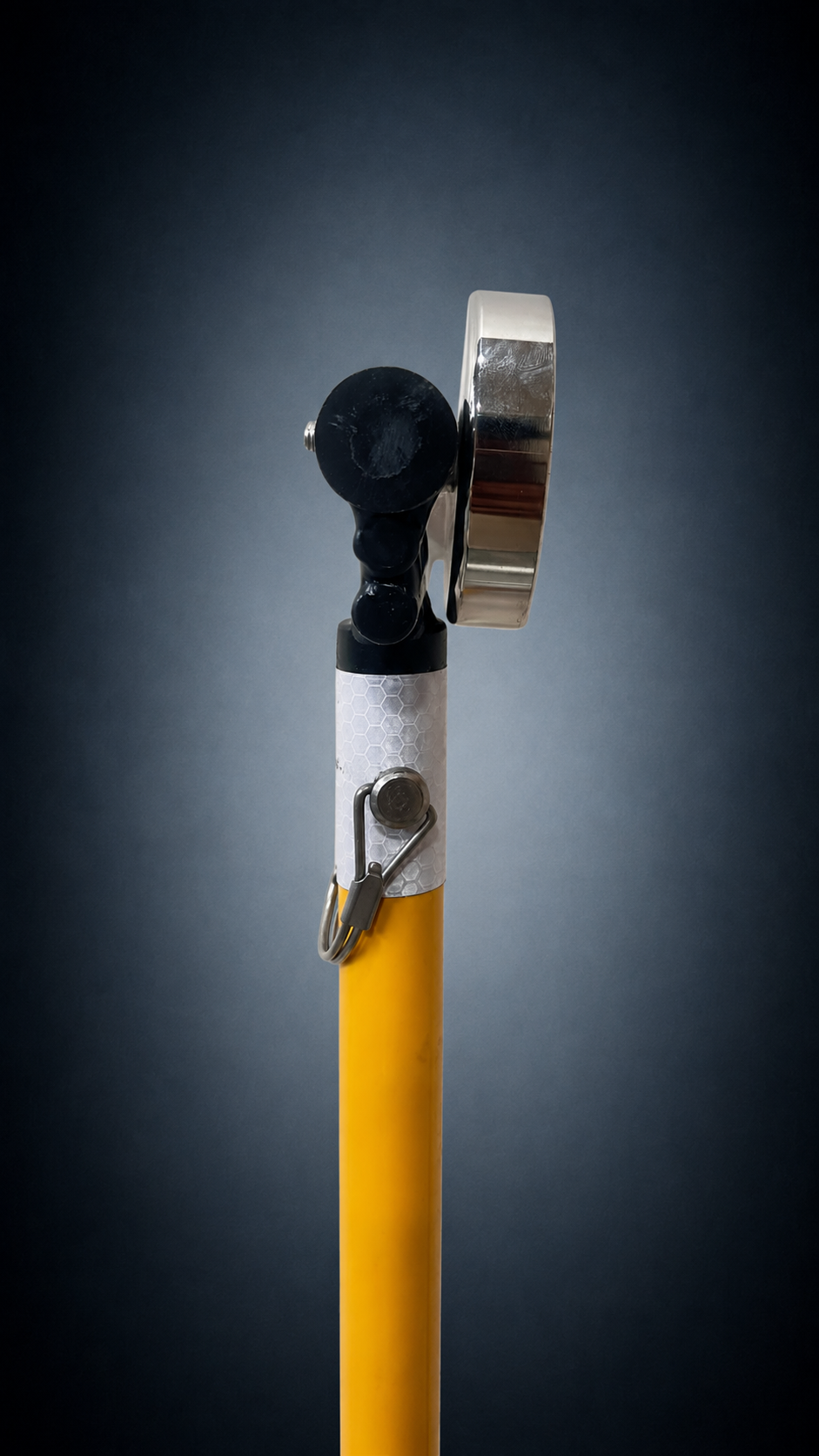
Mill scale looks clean — smooth, dark, uniform — but it behaves as a contamination layer magnetically.
Any selection of magnetic guidance tools for structural steel work should treat mill scale as the baseline surface condition, not clean bare steel.
Temperature Effects
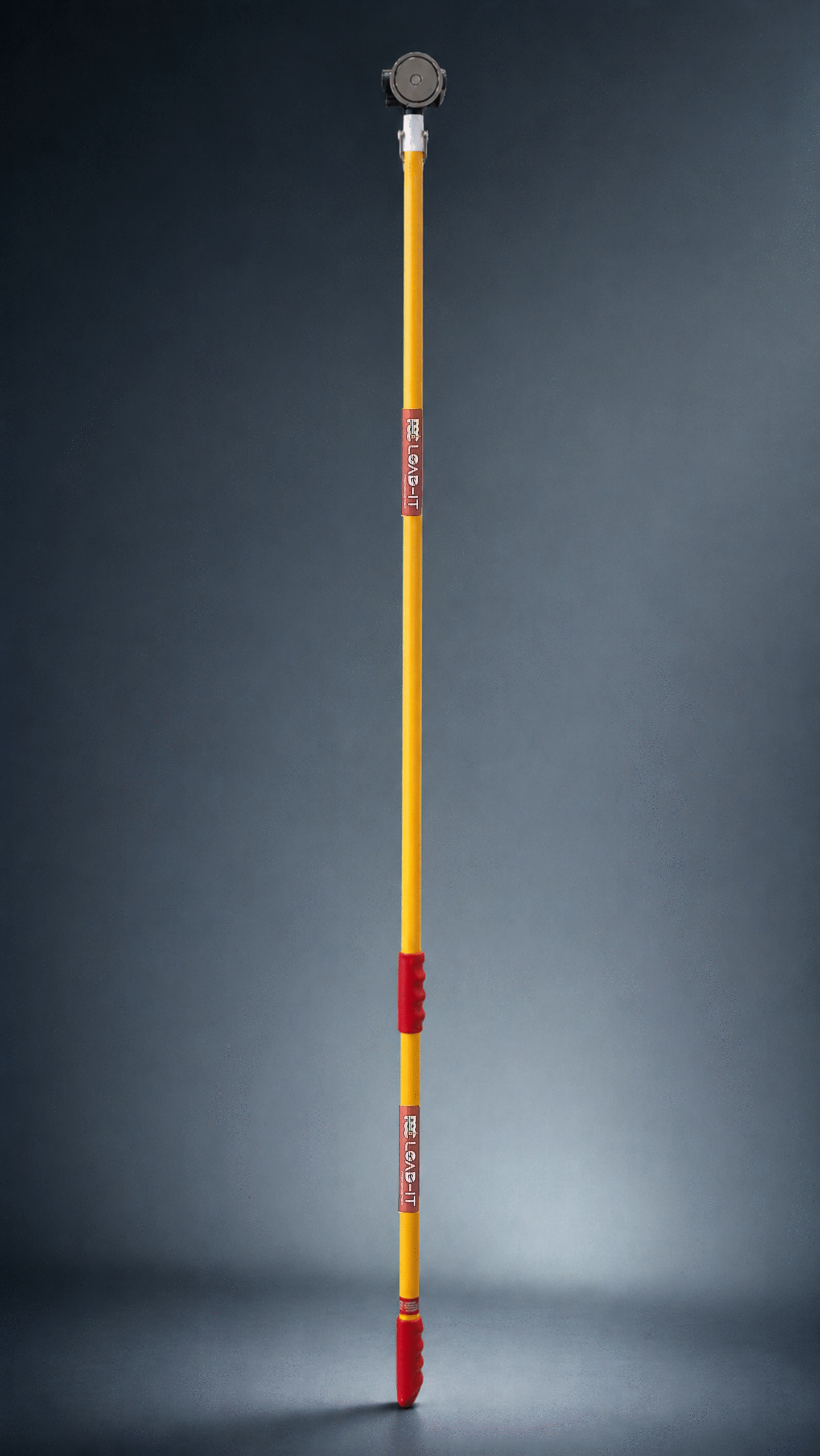
Permanent magnets lose holding strength as temperature rises. In steel mills, foundries, and applications involving recently processed material, verify that the work surface temperature is within the specific tool's rated operating range.
The exact temperature limit must be confirmed from the tool's magnet grade specification — no single universal figure applies across all Load-It® configurations.
PSC Doctrine
The catalogue rating describes the magnet. The work surface determines what is available. Verify on the actual surface before every guidance task.
Related Engineering Resources
Review the full MagHead system, configuration selection, magnetic-force guidance and broader ferrous-load handling method.
Premium Engineering Consultation
PSC's Application Mapping Review examines the actual task — the load, the surface, the access conditions, and the operator's movement — and recommends the correct matched configuration.