Layer 3 · Application Article · PSC Hand Safety
Ferrous Material Handling — Which Guidance Method Fits the Task?
PSC's position: a magnetic tool is not automatically the right answer simply because the load is made of steel. This article gives the honest decision logic for all five guidance methods.
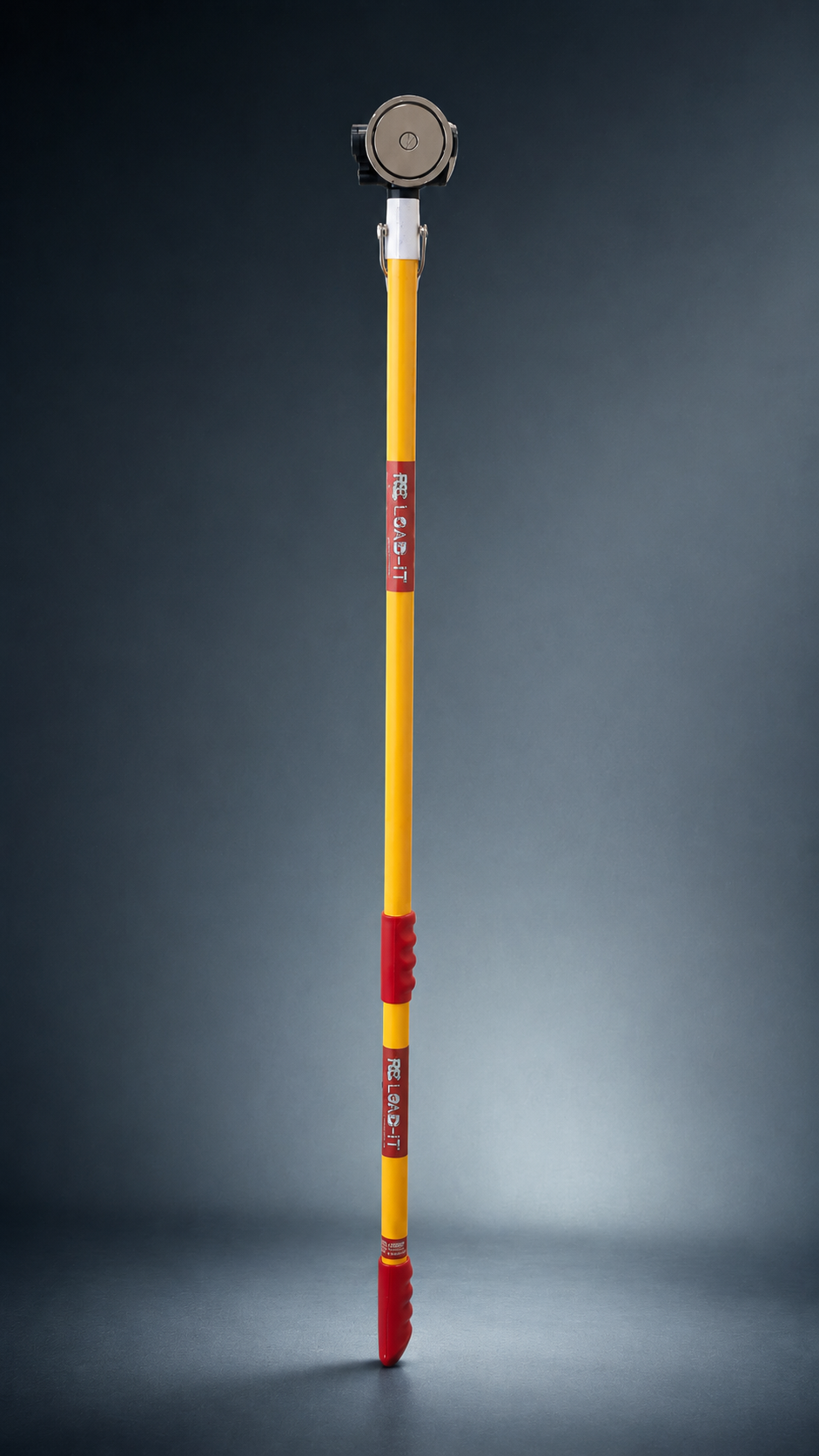
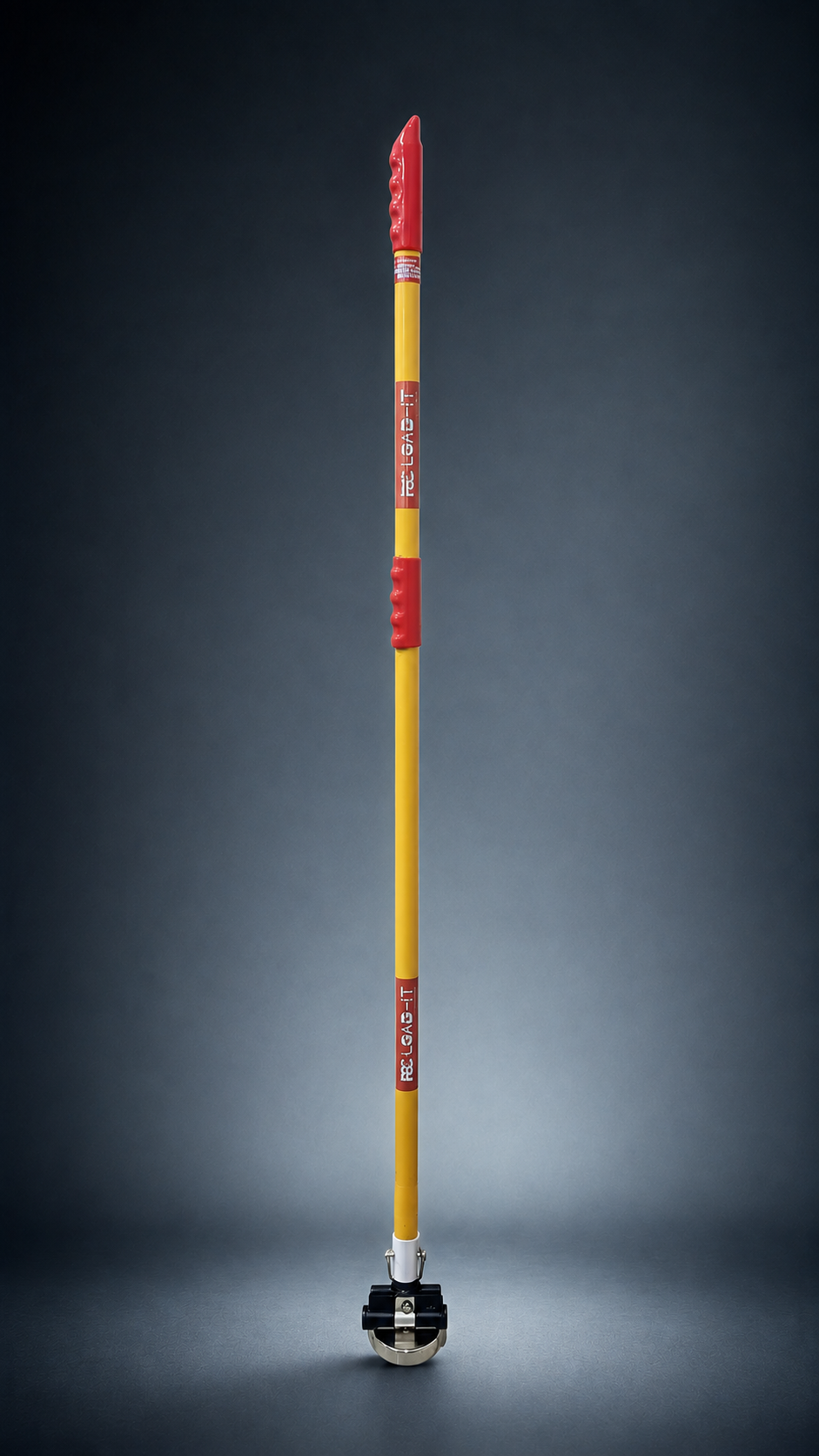
One of the strongest signals of genuine engineering authority is the willingness to say when your product is not the right answer. PSC's engineering handbook explicitly states that a magnetic push-pull tool is appropriate only when the load is ferrous, a viable attachment surface exists, and the task requires sustained, repositionable engagement. Where any of those conditions is not met, a mechanical method is likely more appropriate.
The Five Methods and Their Conditions
Use the method that matches the load and control requirement.
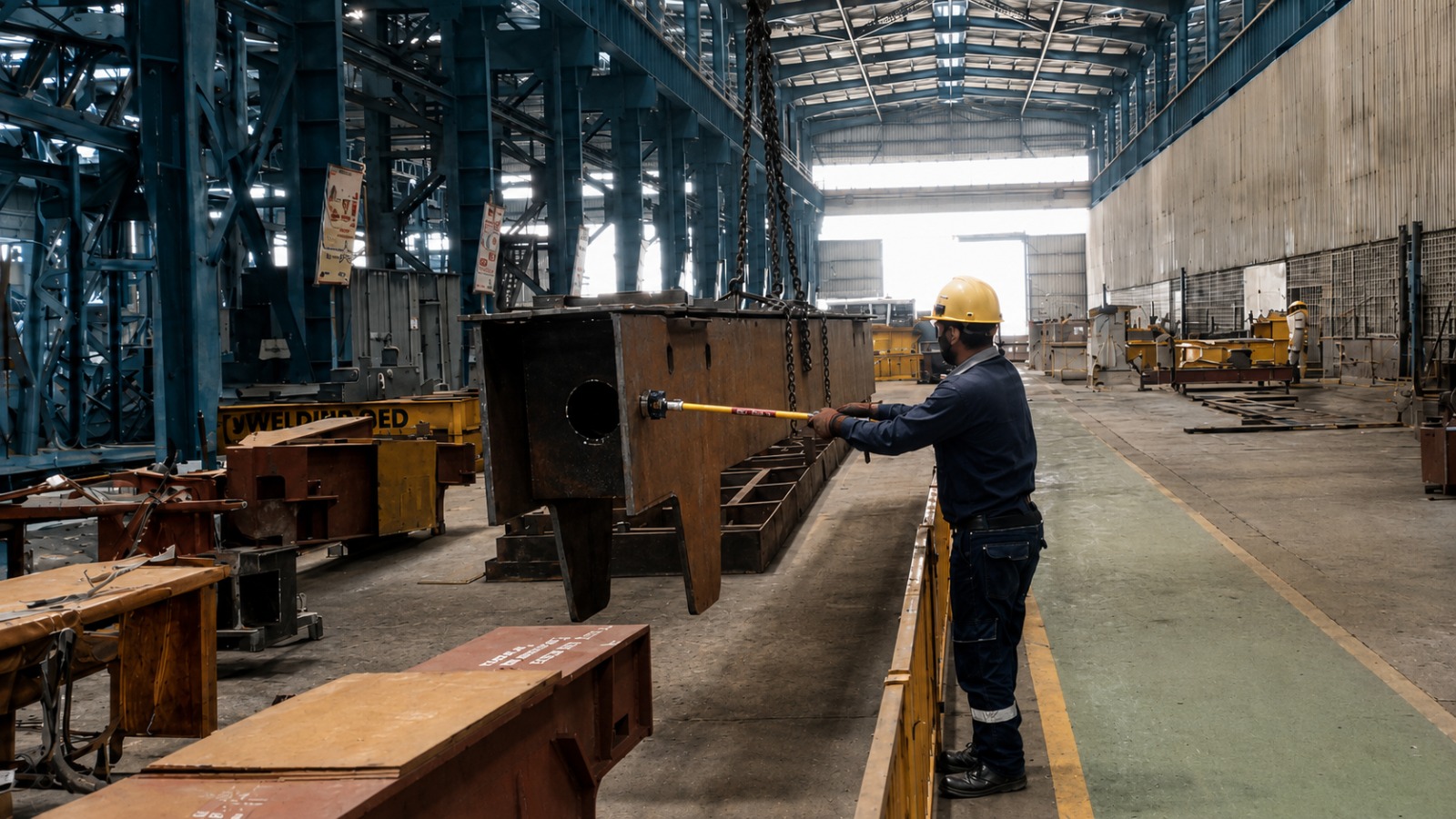
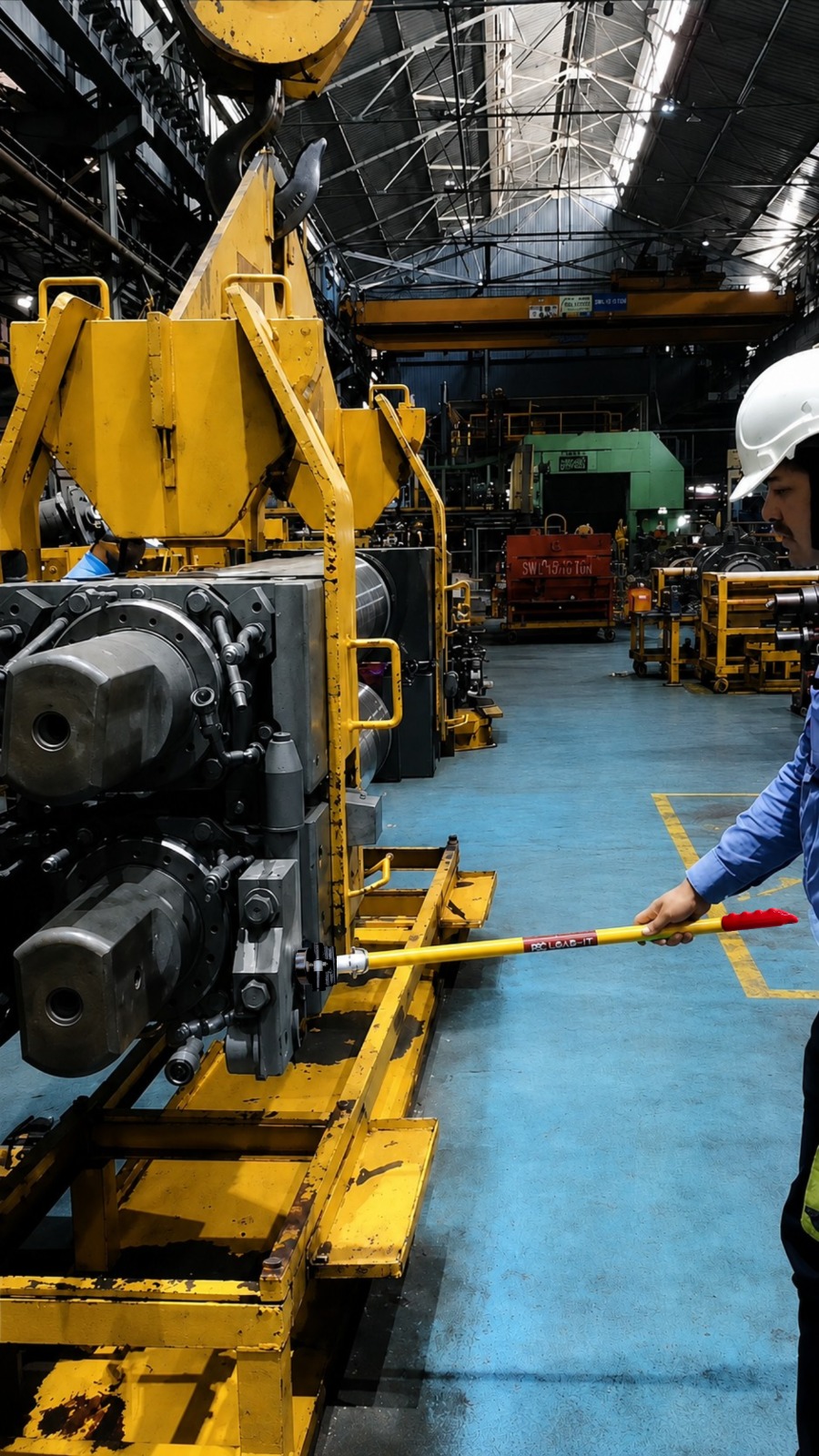
Correct when the load is ferrous, the surface is flat or gently curved and reasonably clean, and the task requires sustained engagement through a positioning sequence involving operator movement or rotation control.
Correct when the load is non-ferrous or coated, or when the surface is unsuitable for magnetic engagement but presents a stable flat or flanged face for mechanical contact.
Correct when the load has an accessible edge, lip, or flange that provides a positive mechanical hooking point — independent of surface condition or material.
Correct when the load has existing lifting points, eyes, or shackles that can be engaged mechanically — positive engagement fully independent of surface condition.
Correct for gross swing and orientation management during the early and mid-stages of crane travel, regardless of load material or surface condition. Not suited to fine positioning at close range.
When Not to Use a Magnetic Tool
Material alone does not determine method suitability.
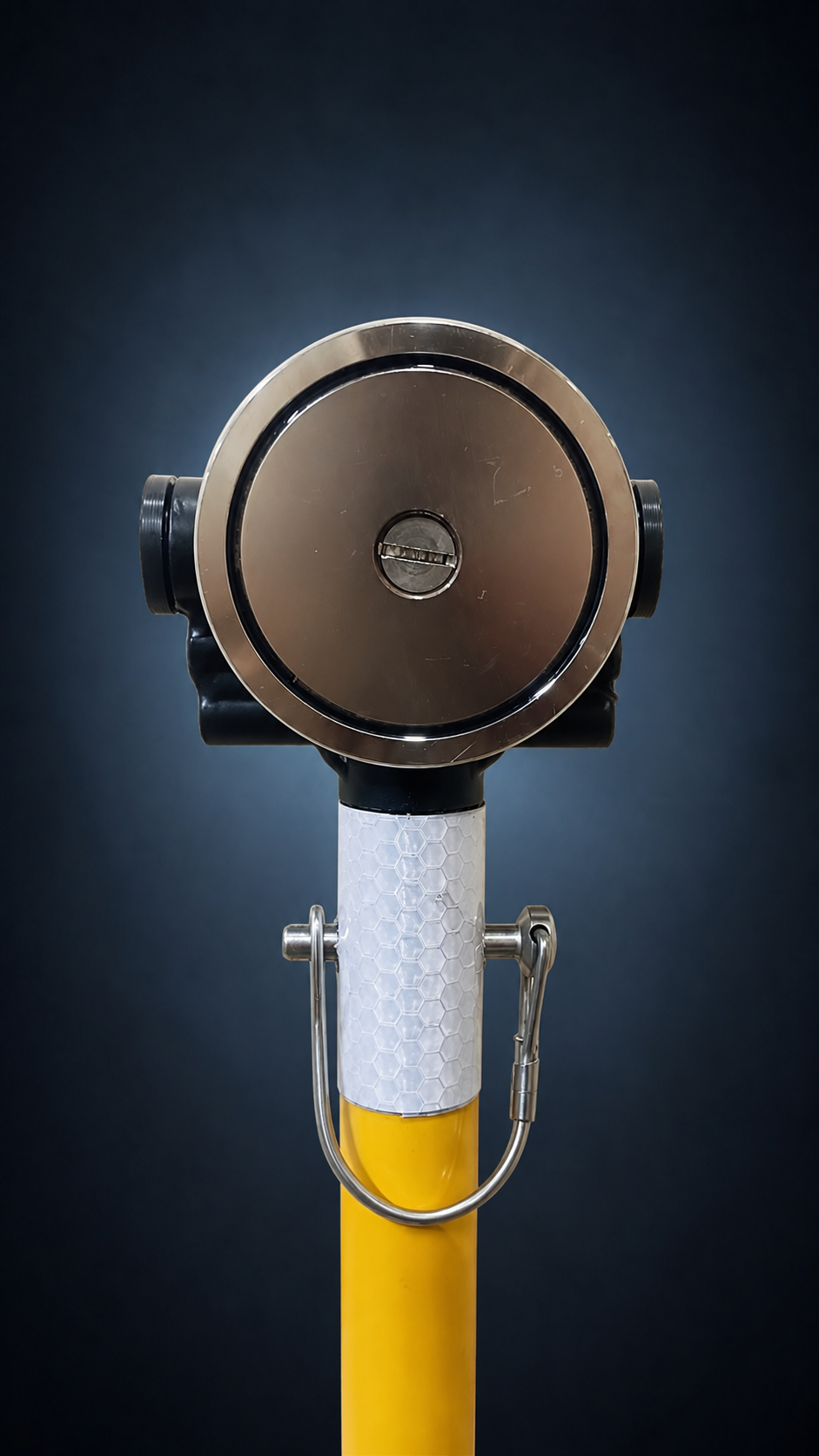
A magnetic push-pull tool is the wrong choice when: the load is non-ferrous (aluminium, stainless, composite); the engagement surface is too curved, rough, or contaminated for reliable attachment; the task requires only a brief single contact rather than sustained engagement; or a mechanical contact method provides a more reliable interface given the specific load geometry.
Acknowledging these conditions is the basis for credible engineering authority: recommending the correct method for the task, not the company's product regardless of suitability.

The Decision Path
Four questions before selecting a magnetic control method.
If all four answer Yes, a magnetic push-pull tool is the correct engineering control. The selection then moves to which Load-It® MagHead configuration matches the specific task.
“A magnet on a pole is easy to compare on price. An engineered hands-free method should be compared on the application.”
Related Engineering Resources
Continue the selection process
Use these resources to understand the Load-It® MagHead system, configuration selection, magnetic rating and hands-free ferrous-load guidance.
Premium Engineering Consultation
Not sure which configuration fits the task?
PSC's Application Mapping Review examines the actual task — the load, the surface, the access conditions, and the operator's movement — and recommends the correct matched configuration.