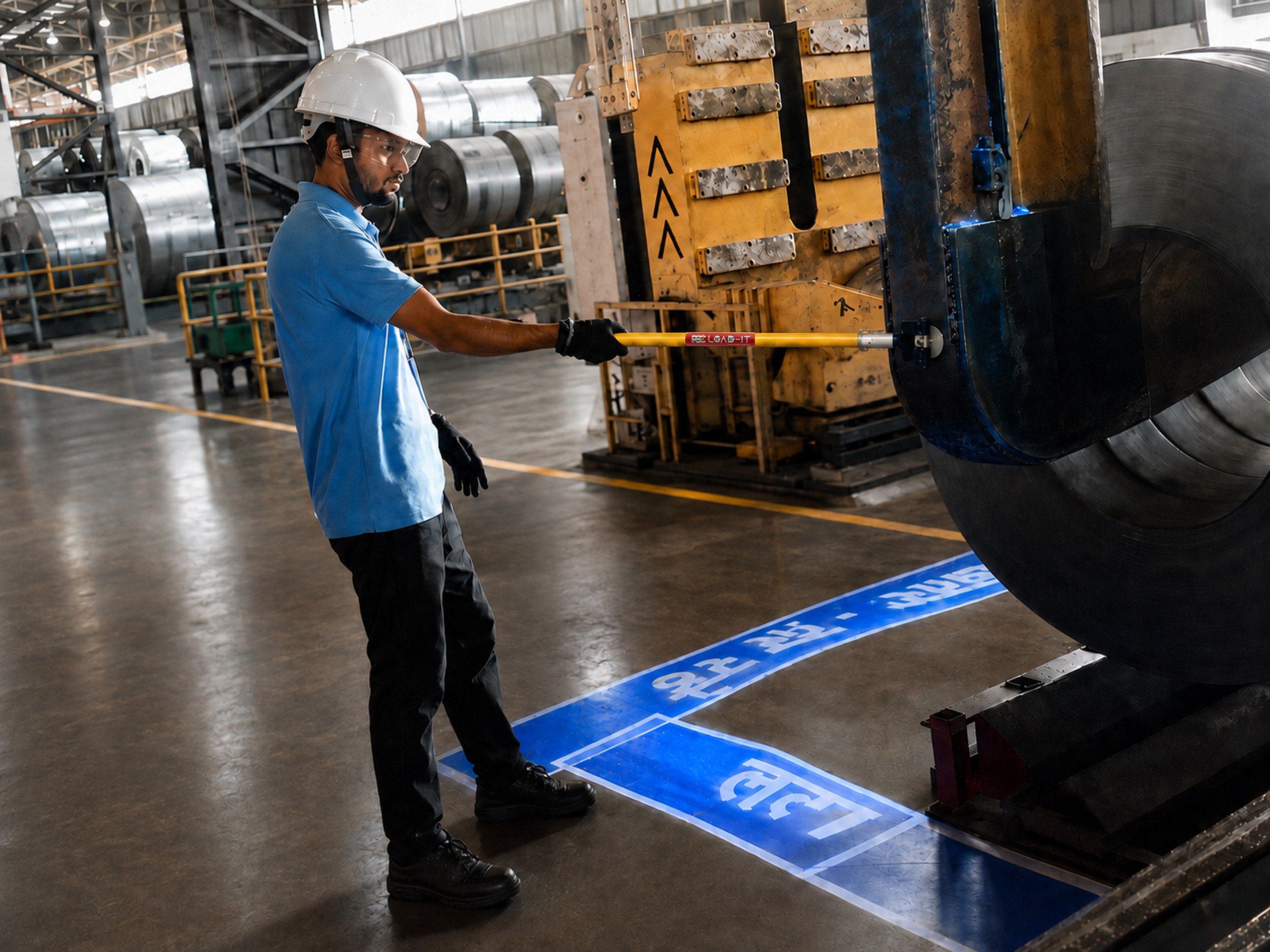
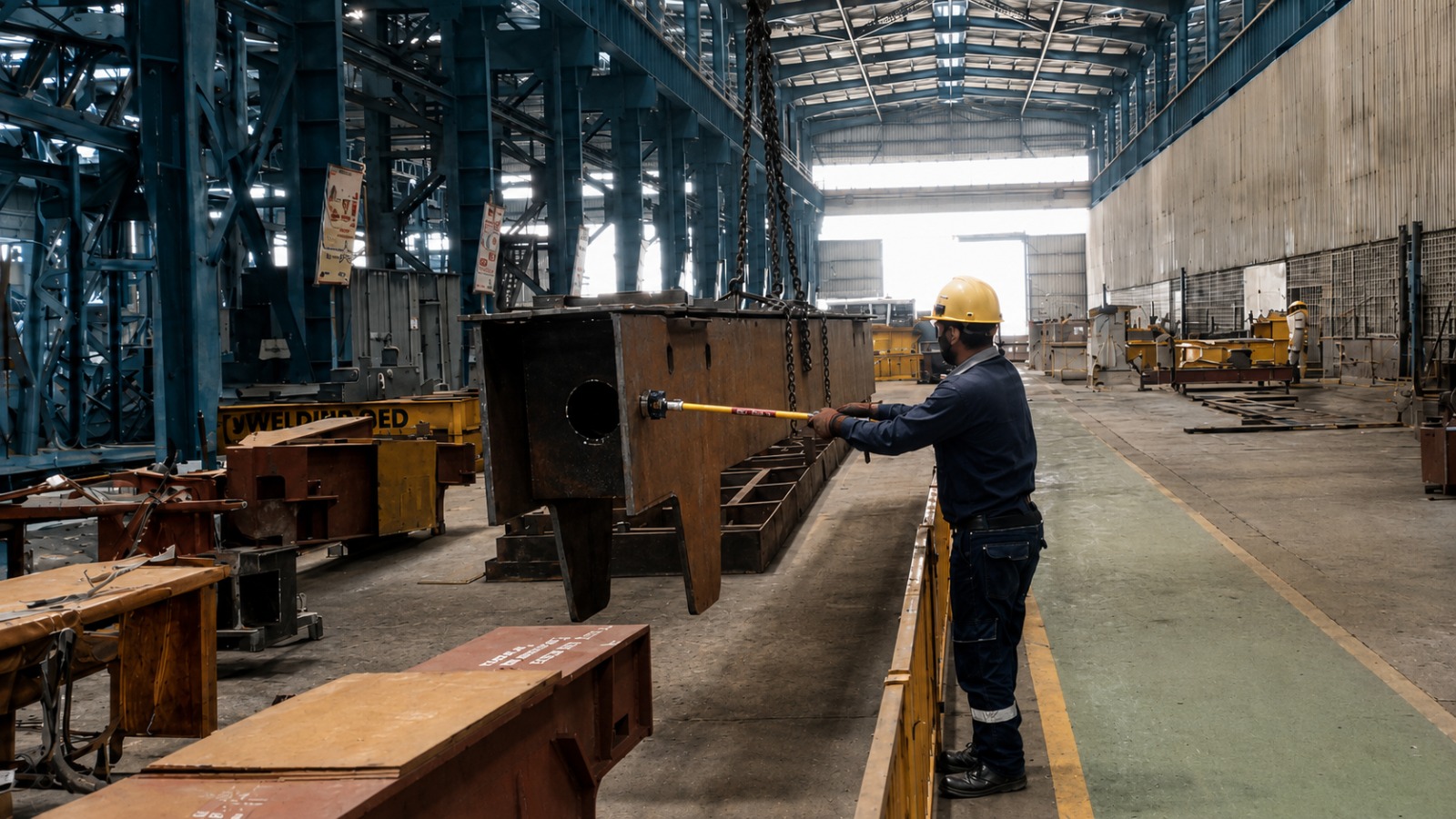
The Load as a Pendulum
A load suspended from a single hook point is, mechanically, a pendulum. The suspension line is the arm, the hook is the pivot, the load is the bob. Like any pendulum, it swings whenever a lateral force is introduced — and very little in a typical lift removes that lateral force entirely.
Lateral force enters in ordinary ways: crane travel, wind acting on the load's surface area, or tension released unevenly as the load comes off a supporting surface. None requires an error or a fault. Once swing begins, it does not stop quickly. A heavy steel load on a steel hook loses energy only gradually through air resistance and pivot friction — both extremely small. Residual swing at the moment of final positioning is the rule, not the exception.
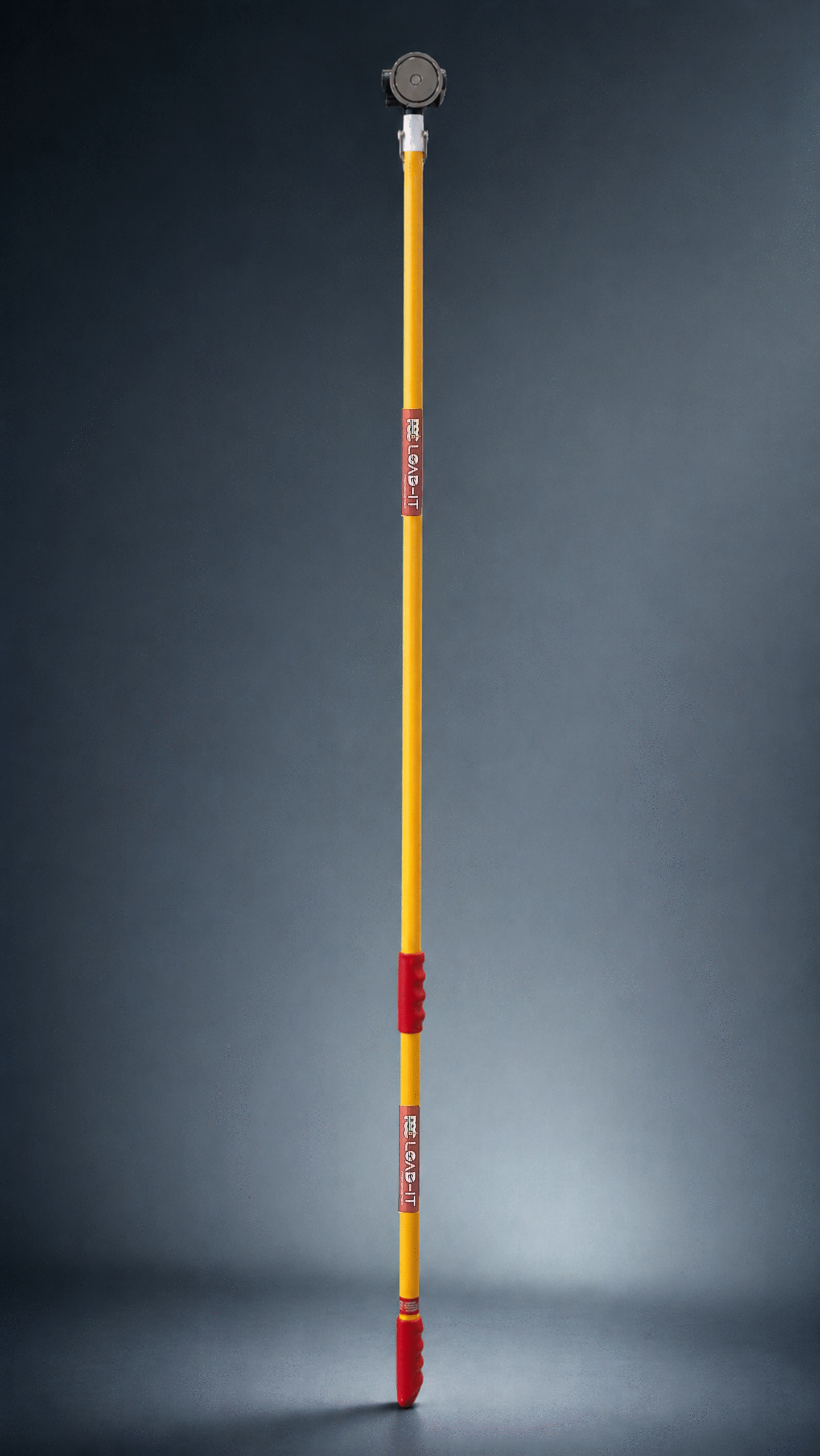
Centre of Gravity and Why Loads Settle at an Angle
Every rigid object has a centre of gravity — the single point at which its entire weight acts. A suspended load naturally orients so that its centre of gravity sits directly beneath the suspension point. For a perfectly centred lift, the load hangs level. Real-world rigging is rarely perfectly centred on the load's mass distribution.
Multi-point slings, asymmetric components, and fabricated assemblies with uneven mass distribution all introduce a mismatch between where the rigging attaches and where the centre of gravity actually sits. The load hangs at an angle — not a rigging error in most cases, but the geometry of an imperfectly centred lift expressing itself exactly as physics predicts. Angular correction is required before the load can be set down cleanly.
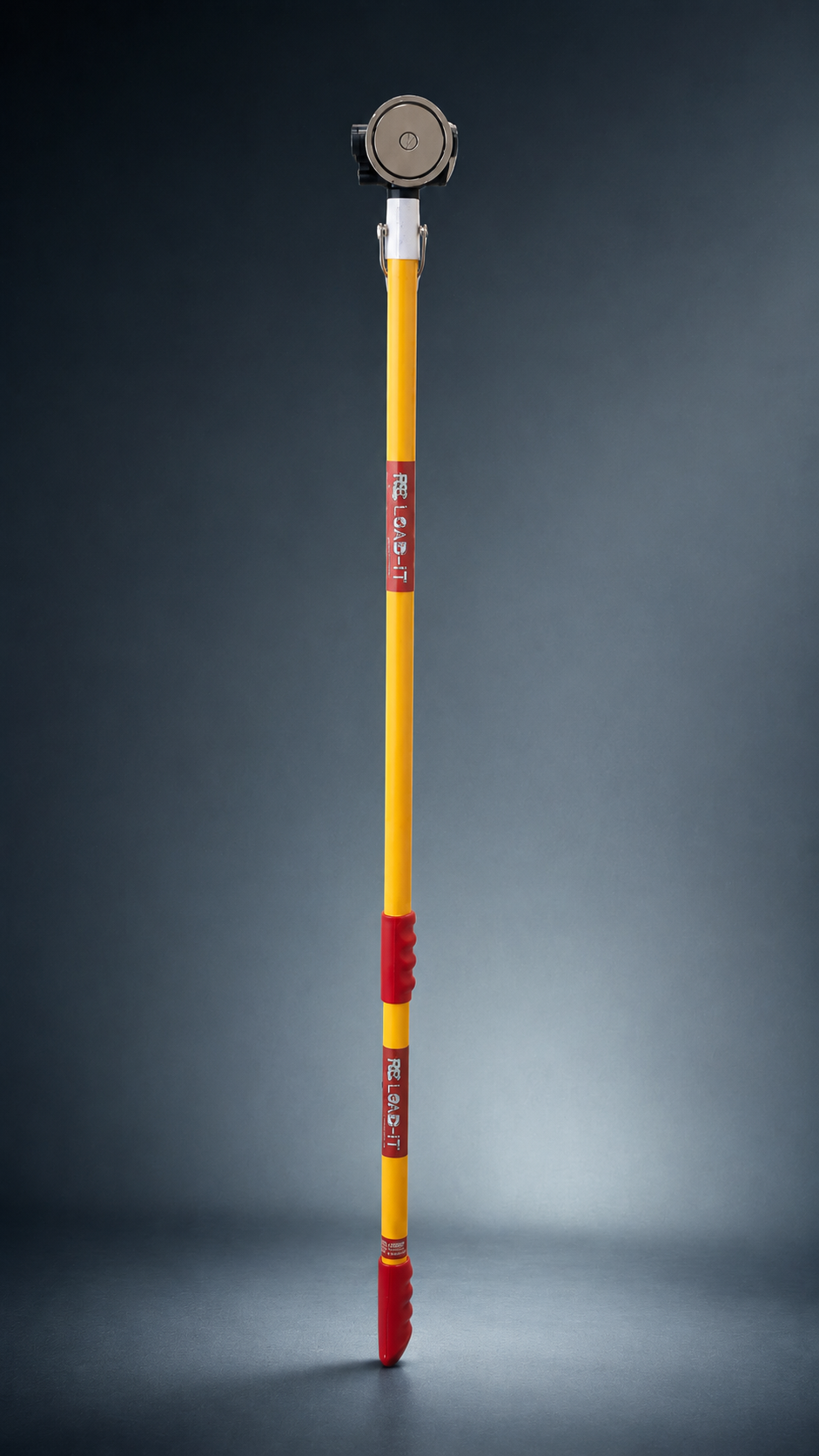
Rotational Inertia and Why Loads Keep Turning
Rotation around the load's own vertical axis — the load slowly turning in place — is governed by rotational inertia: once a mass begins rotating, it continues until something stops it. Steel offers minimal air resistance relative to its mass, and a hook-and-sling provides minimal rotational friction at the pivot. Once rotation is introduced — by wind, residual torque from pickup, or contact with an adjacent surface — it tends to continue largely unchecked until a worker's hands apply a stopping force.
Load Drift — Why It Is the Rule
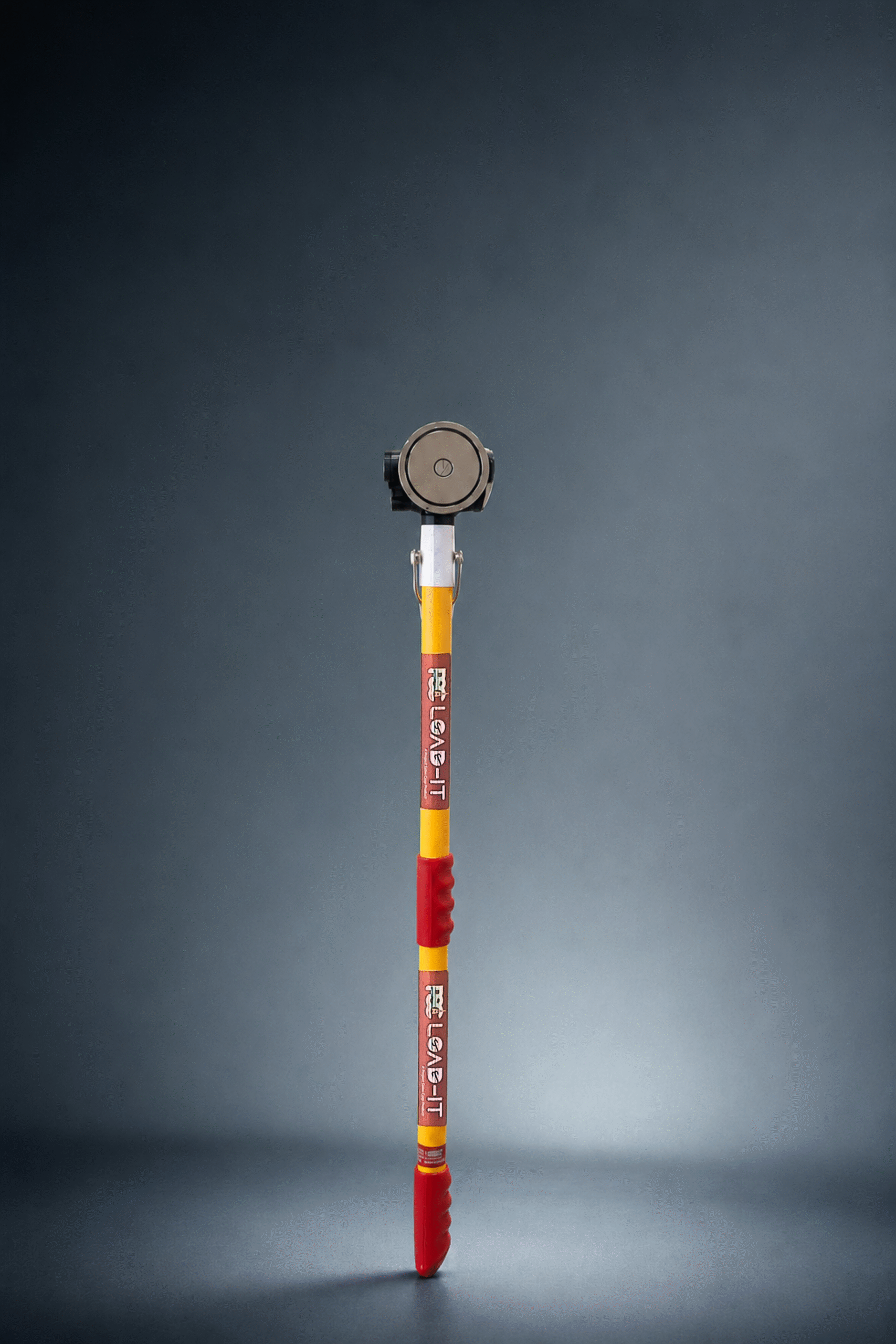
Drift is the everyday term riggers use for the combined effect of all three behaviours acting simultaneously: swing, settling angle, and rotation changing the load's position and orientation even when the crane is stationary. Drift is not a malfunction. It is the expected behaviour of a rigid mass on a flexible suspension system subject to the constant small lateral disturbances of any real work environment.
A load essentially never arrives at its final position through the lifting action alone. Some combination of lateral correction, rotational correction, and fine alignment must be applied — and that correction must be applied by someone.
Pendulum motion explains lateral swing. Centre-of-gravity offset explains settling angle. Rotational inertia explains turning. Together, they explain why drift is the rule for suspended steel loads — and why the positioning phase requires its own engineering controls.
Why Workers Instinctively Reach In
The hand is, in almost every practical sense, the best positioning tool a worker has immediate access to. It provides instant tactile feedback, offers infinitely variable grip and angle, requires no setup, and is deployable in a fraction of a second. When a load drifts a few centimetres and needs an immediate correction, the hand is faster than almost anything else — and workers under time pressure default to the fastest available method.
This is the core of the engineering problem: the hand is not a poor tool. It is excellent — which is exactly why it continues to be used for tasks that place it inside pinch, crush, swing, and line-of-fire zones. Telling a worker to stop using their hands does not remove the underlying advantage that makes the hand the instinctive choice. It only removes the tool without replacing its function.
"An instinct cannot be removed by instruction alone. It can only be replaced by a tool that offers comparable speed, feedback, and control — without placing the operator's hand inside the hazard."
Premium Engineering Consultation
Not sure which configuration fits the task?
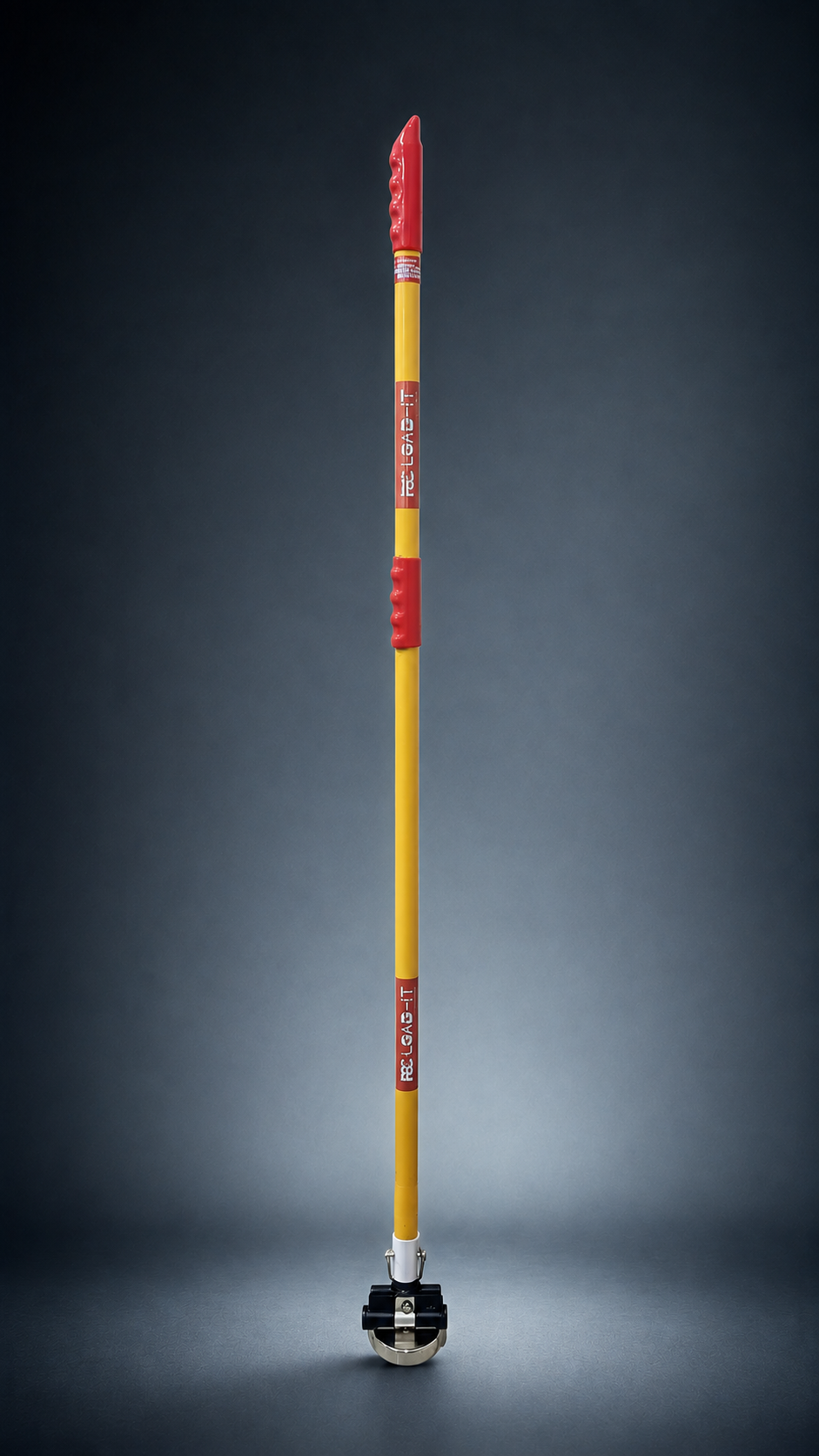
PSC's Application Mapping Review examines the actual task — the load, the surface, the access conditions, and the operator's movement — and recommends the correct matched configuration.
Request a Load-It® Application Mapping Review Load-It® System →