The Difference Between Lifting Steel and Controlling Steel | PSC Hand Safety

Layer 2 · Engineering Article · Load-It® Philosophy

The Difference Between Lifting Steel and Controlling Steel

Lifting and controlling are not the same engineering problem. A lifting magnet is designed to never let go. A guidance magnet is designed to work with the operator throughout sustained positioning. Understanding the difference changes everything about tool selection.

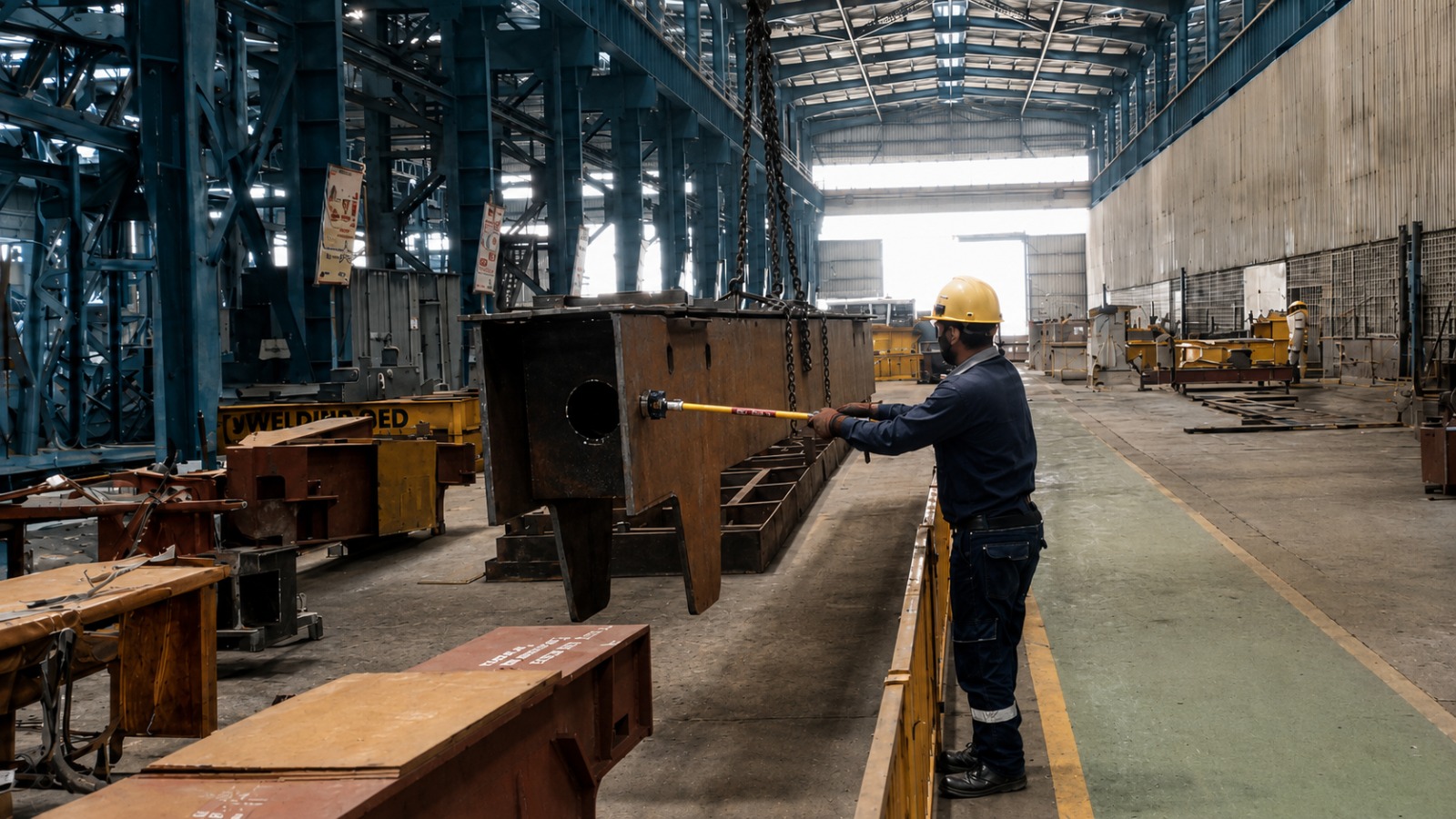
Worker using a PSC Load-It tool to guide a suspended steel load while the crane continues to support the load weight
PSC Engineering Principle
The purpose of a magnetic push-pull tool is not to move the load. It is to move the worker away from the load.
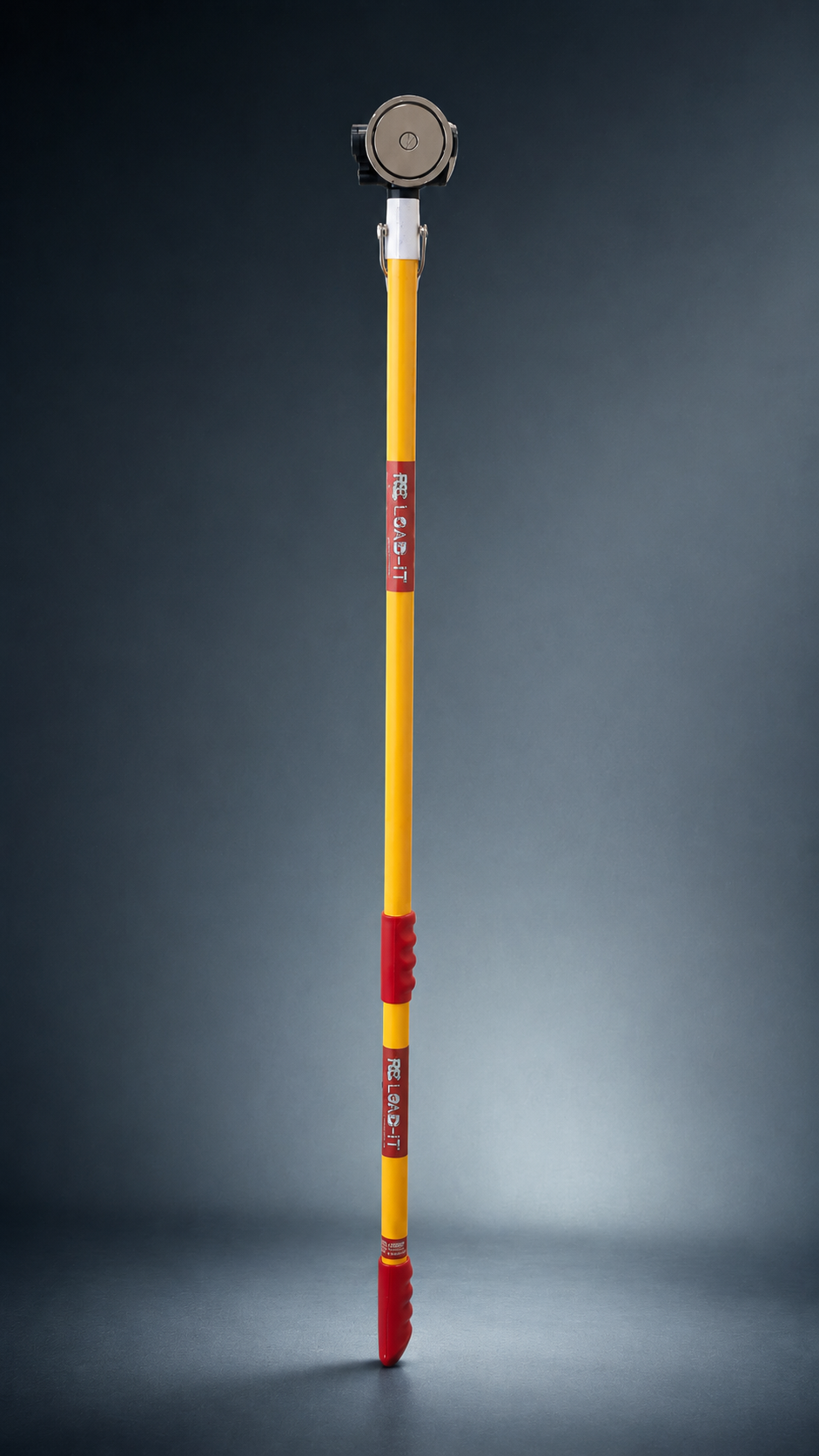
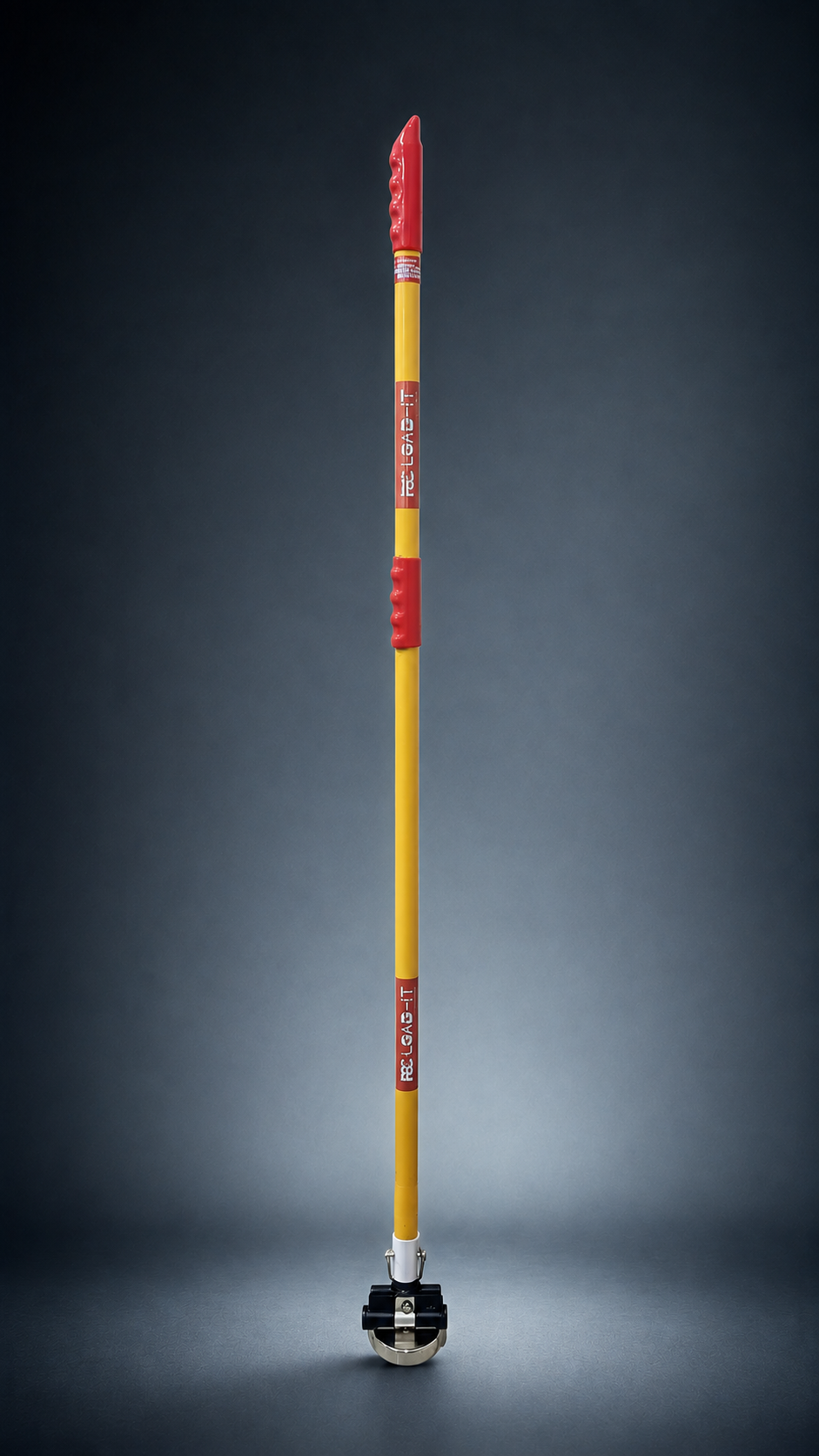
PSC Load-It MagHead full-length guidance tool representing directional control rather than load suspension

Two Different Engineering Problems

Lifting steel and controlling steel require different design objectives.

The Lifting Problem

Support and suspend the full load weight

A certified lifting magnet is designed to support and suspend the full weight of a load. Its design objective is maximum, sustained holding force — the magnet must not let go while the load is airborne.

The Controlling Problem

Transfer the operator's directional correction

A magnetic push-pull guidance tool is not designed to support or suspend any load. The crane or hoist performs that function throughout the entire operation.

The lifting-magnet engineering brief is unambiguous: maximise the force that keeps the magnet attached under the worst plausible conditions, and build in failsafe systems to prevent unintended release.

For a guidance tool, the force involved is not the load's weight. It is the operator's small, controlled push, pull or rotational nudge that brings the already-supported load into its final position.

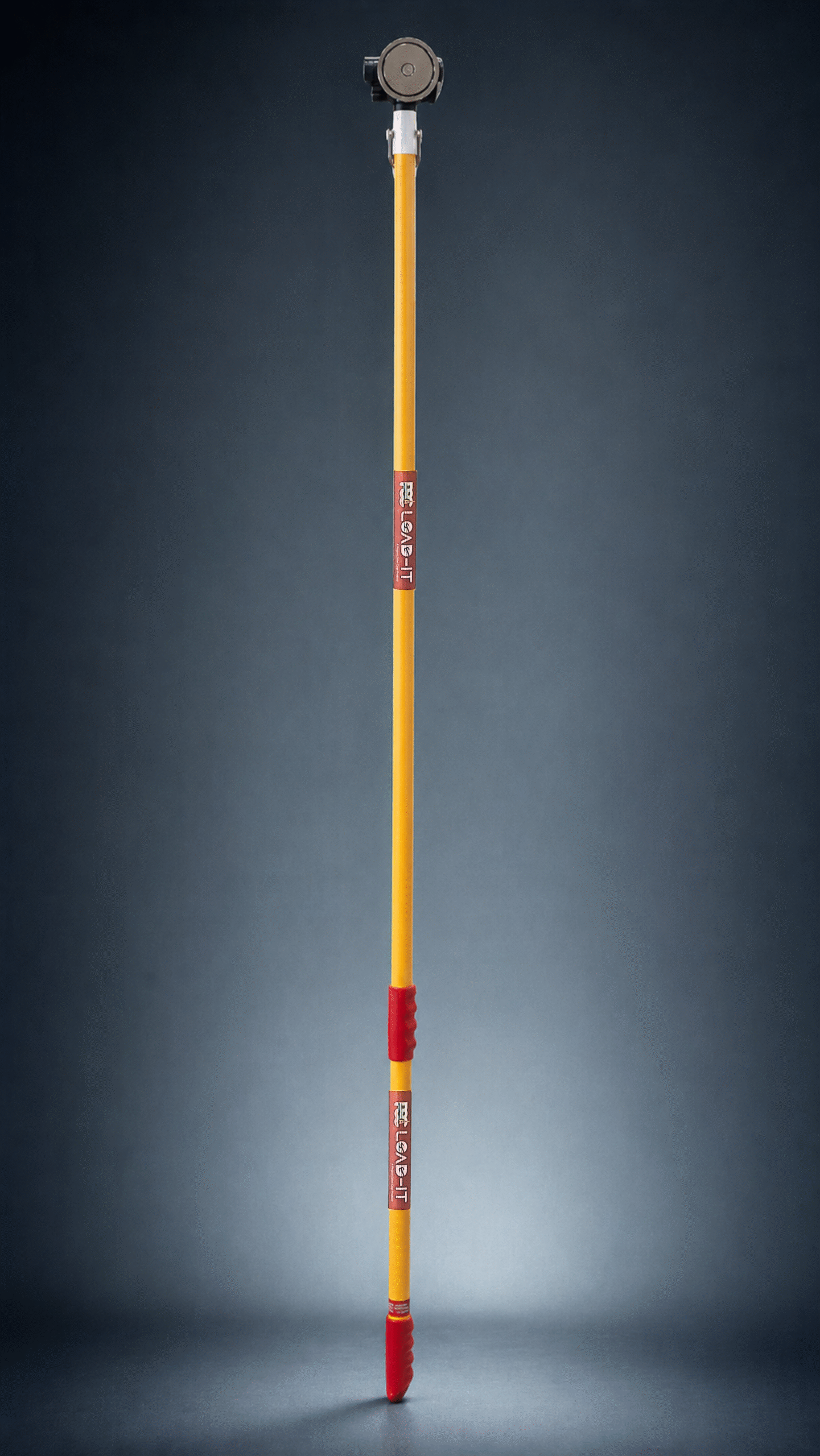
PSC Load-It MagHead full-length product view representing sustained directional guidance and operator working distance

Why Maximum Holding Force Is the Wrong Design Objective

A guidance magnet should be strong enough to control — not difficult to work against.

If a guidance magnet resisted its full perpendicular pull rating during every lateral guidance movement, the operator would fight the magnet on every small correction — struggling against excessive resistance during frequent, fine adjustments.

Guidance would become slow, physically tiring, and operationally impractical.

The correct design objective is strong enough to maintain positive directional control throughout the positioning sequence, and calibrated so that frequent small corrections remain comfortable and unforced.

This calibration also governs intentional disengagement — the tool should release cleanly once the load is down, without requiring excessive operator effort against the full magnetic attraction.

Guidance Design Objective

Positive control + workable sustained engagement

The magnetic interface must support accurate directional input while remaining practical to reposition and intentionally disengage after the load is landed.

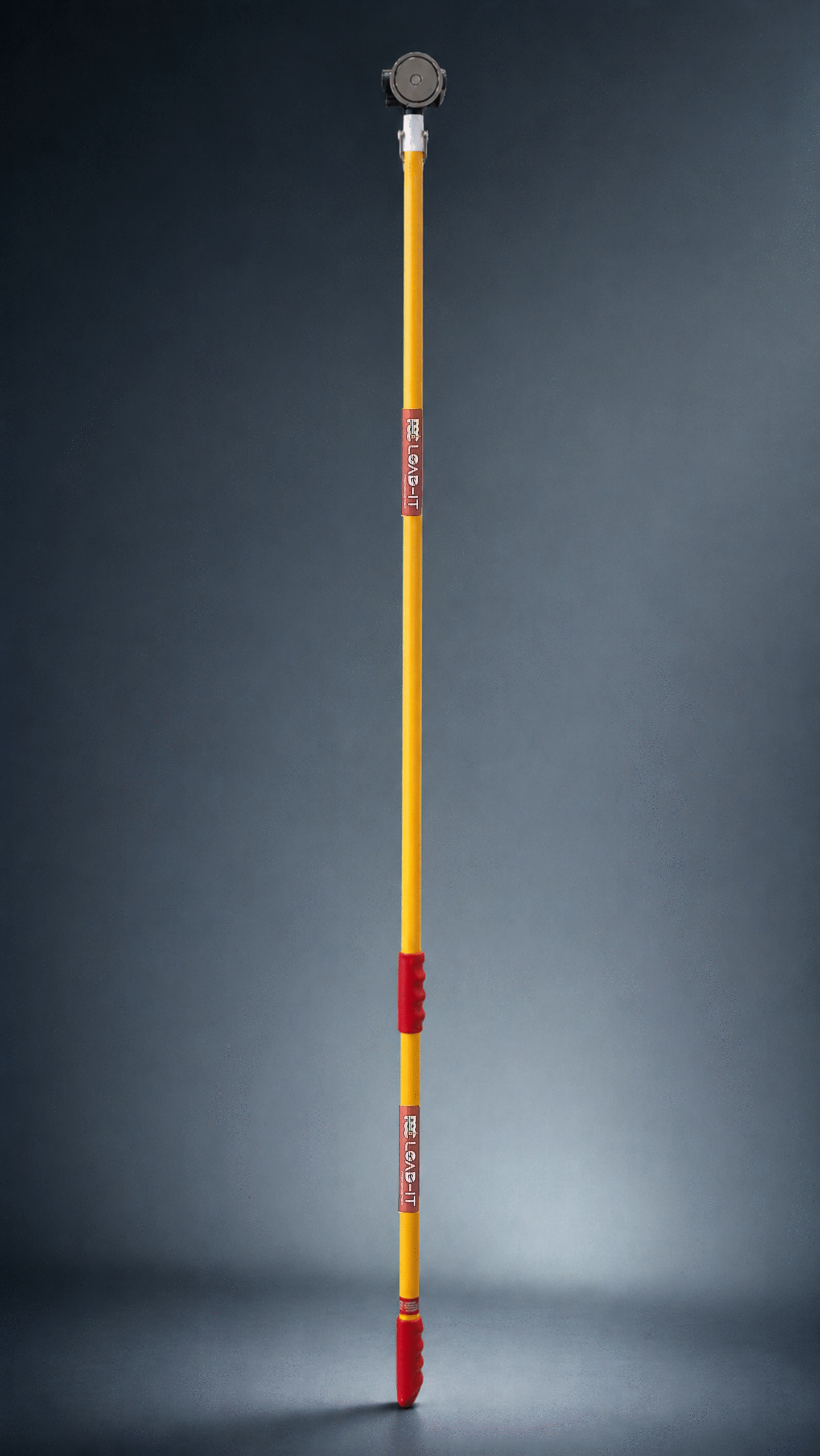
PSC Load-It MagHead extra-long full-length product view representing application-based selection around reach and working distance

Certified Lifting Magnet vs Magnetic Guidance Tool

Do not compare the two systems using the same selection criteria.

Certified Lifting Magnet Magnetic Guidance Tool
Function Support and suspend load weight Apply directional guidance force to a supported load
Load support Magnet supports the load Crane supports the load; magnet transfers only guidance force
Design objective Maximum, sustained holding force Operator usability; comfortable sustained engagement
Release requirement Must not release while load is airborne Must release cleanly once load is landed; manageable disengagement force
Selection criterion Rated capacity above load weight with safety factor Matched to tool length, lever arm, operator movement, and surface condition
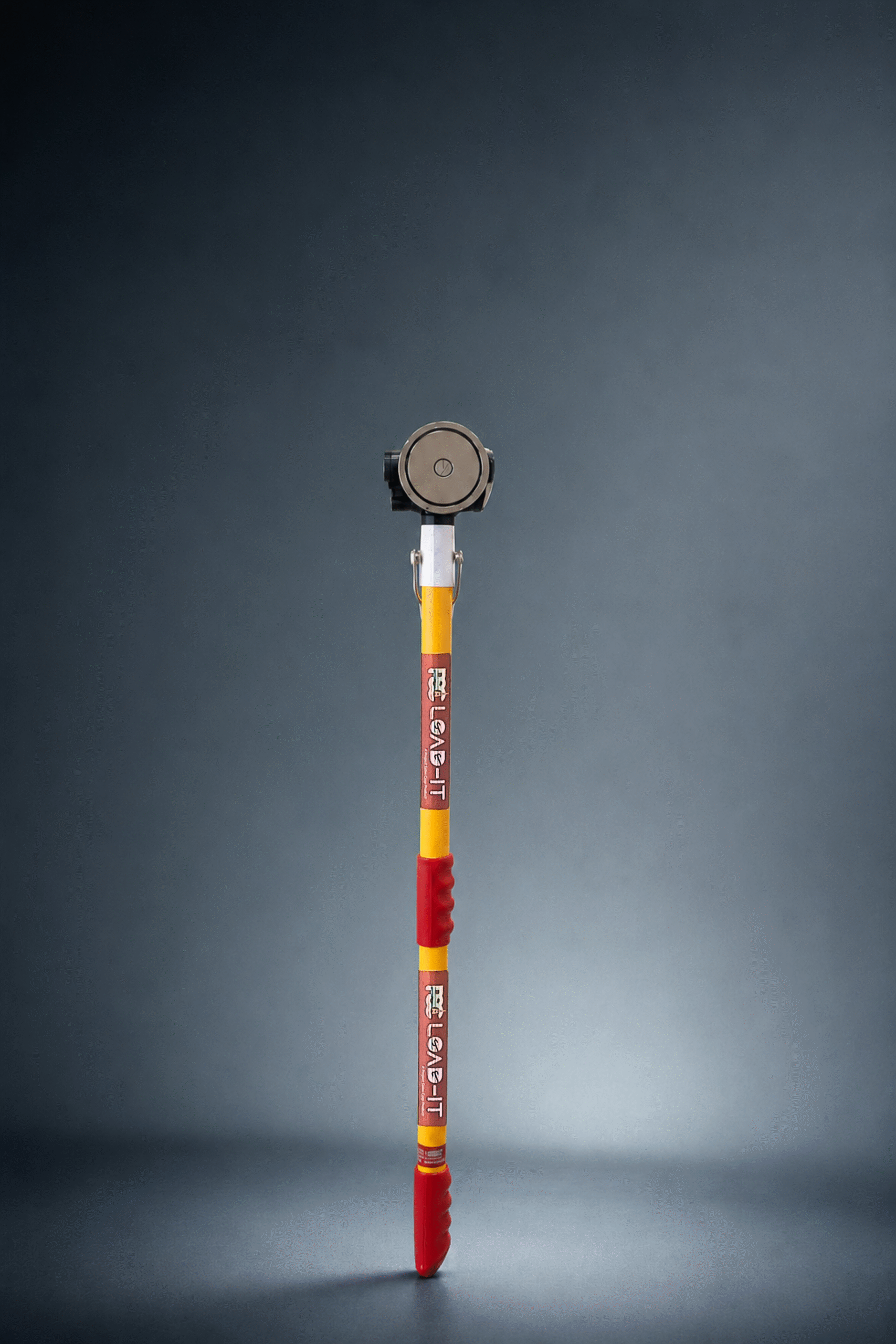
PSC Load-It MagHead short-reach configuration representing application-based tool selection

What This Means for Procurement

Do not buy a guidance tool on pull-force rating alone.

Buyers who compare guidance tools on lifting-magnet criteria — pull-force rating above all else — conclude that the highest-rated tool is the best choice.

In guidance tool selection, that conclusion leads to tools that are over-magnetised for the lever arm they're mounted on, difficult to manage during sustained fine positioning, and harder to disengage cleanly once the load is down.

The correct procurement decision begins with how the worker actually has to control the component.

The Correct Procurement Question

“How does the worker need to control the component, at what working distance, through what surface condition, and with what pattern of operator movement?”

Those answers determine the correct matched configuration.

Related Engineering Resources

Continue the Load-It® engineering pathway.

Review the MagHead system, selection logic, magnetic-force engineering and the wider hands-free ferrous-load guidance framework.

PSC Load-It MagHead full-length product representing a matched magnetic guidance configuration

Premium Engineering Consultation

Not sure which configuration fits the task?

PSC's Application Mapping Review examines the actual task — the load, the surface, the access conditions, and the operator's movement — and recommends the correct matched configuration.

top