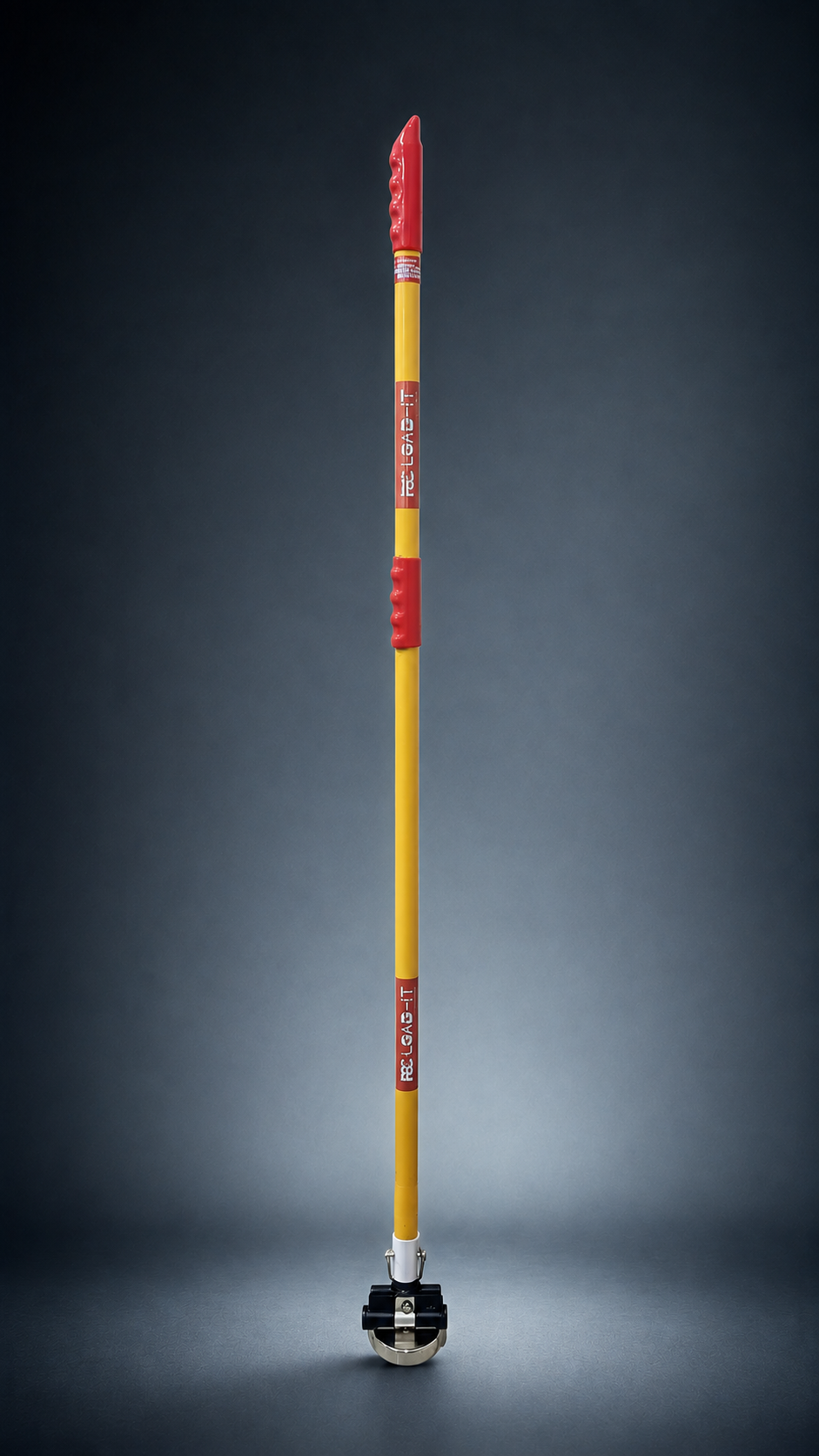
Traditional Control Point
The operator's hand
Effective, immediate and adaptable — but located directly on the load surface inside the hazard zone.
Layer 2 · Engineering Article · Load-It® Philosophy
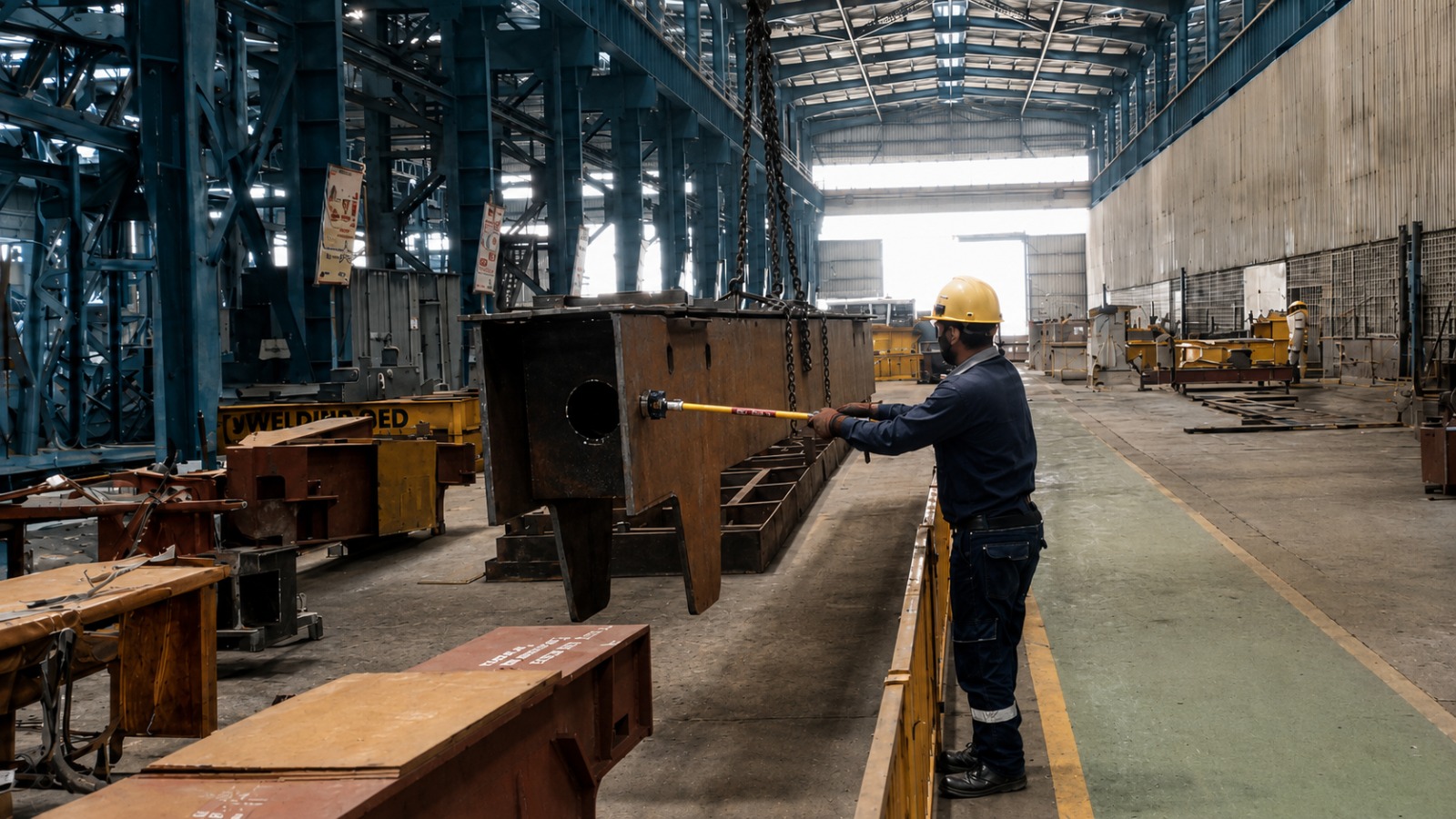
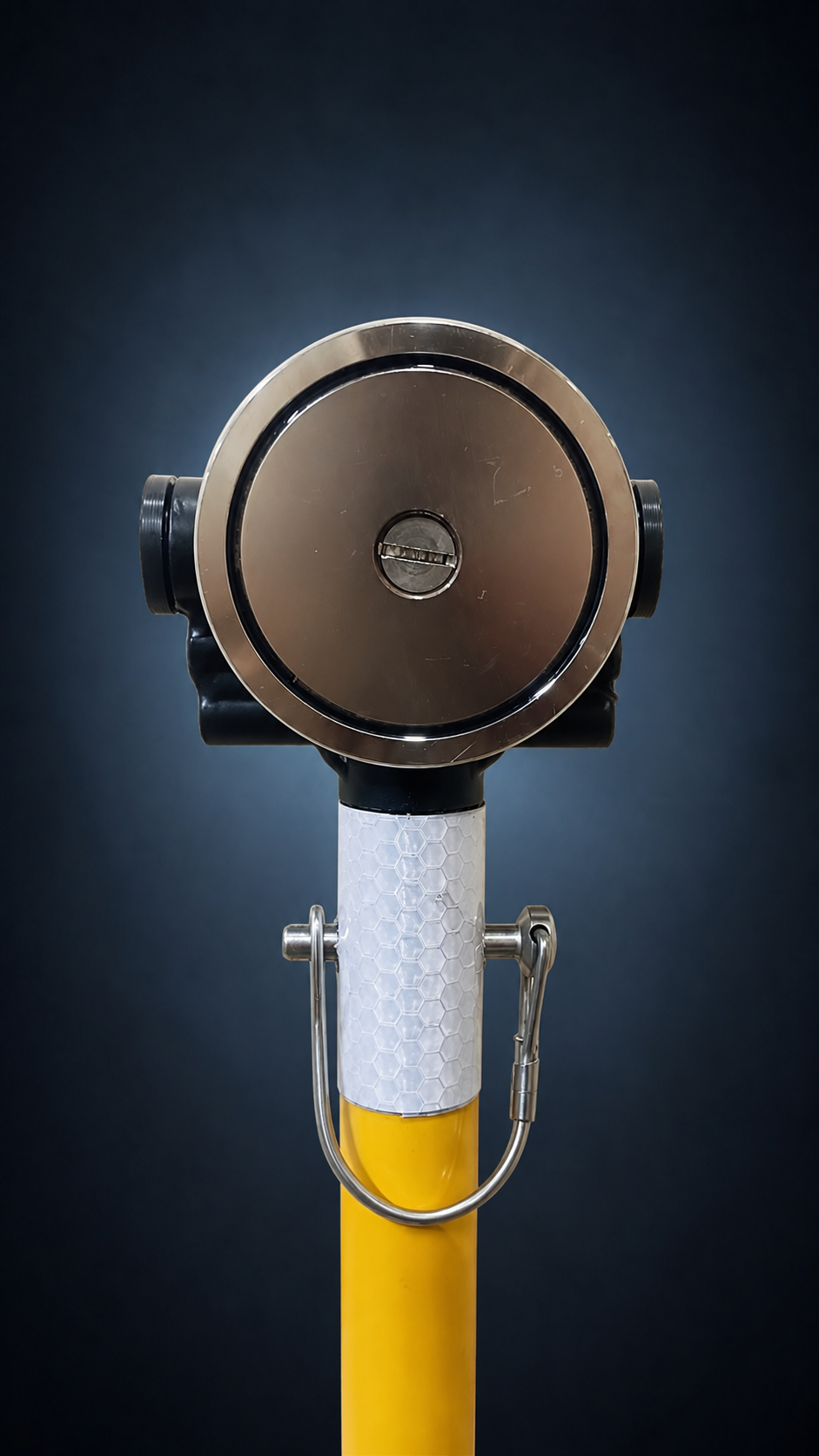
The Load-It® MagHead does not touch a load in the way a hand does. It creates a temporary, repositionable control point on the load's surface — relocating where directional force is applied without relocating the operator's hand into the hazard zone.
What a Control Point Is
When an operator uses their hand to guide a suspended load, their hand becomes the control point — the physical location through which directional force is applied.
The hand's effectiveness as a control point is precisely what makes it the instinctive choice: immediate feedback, adapts to any load geometry, no setup time.
The problem is location. The hand, as a control point, is located on the load's surface — inside the pinch zone, the crush zone, or the swing arc.
The engineering challenge is not to eliminate the control point but to relocate it: create a control point that performs the same function as the hand, from a position that keeps the operator's body outside the hazard zone.
Effective, immediate and adaptable — but located directly on the load surface inside the hazard zone.
Creates a temporary load-surface control point while the operator remains separated by the tool's working length.
Maintain directional control without relocating the operator's hand into the pinch, crush or swing zone.
The Four-Step Engagement Principle
The load must present a ferrous surface. Confirm this before selecting a magnetic tool. Coating, rust, mill scale and curvature affect how well the magnetic interface seats.
The head seats against the steel and magnetic attraction creates a physical link stable enough to transmit directional force.
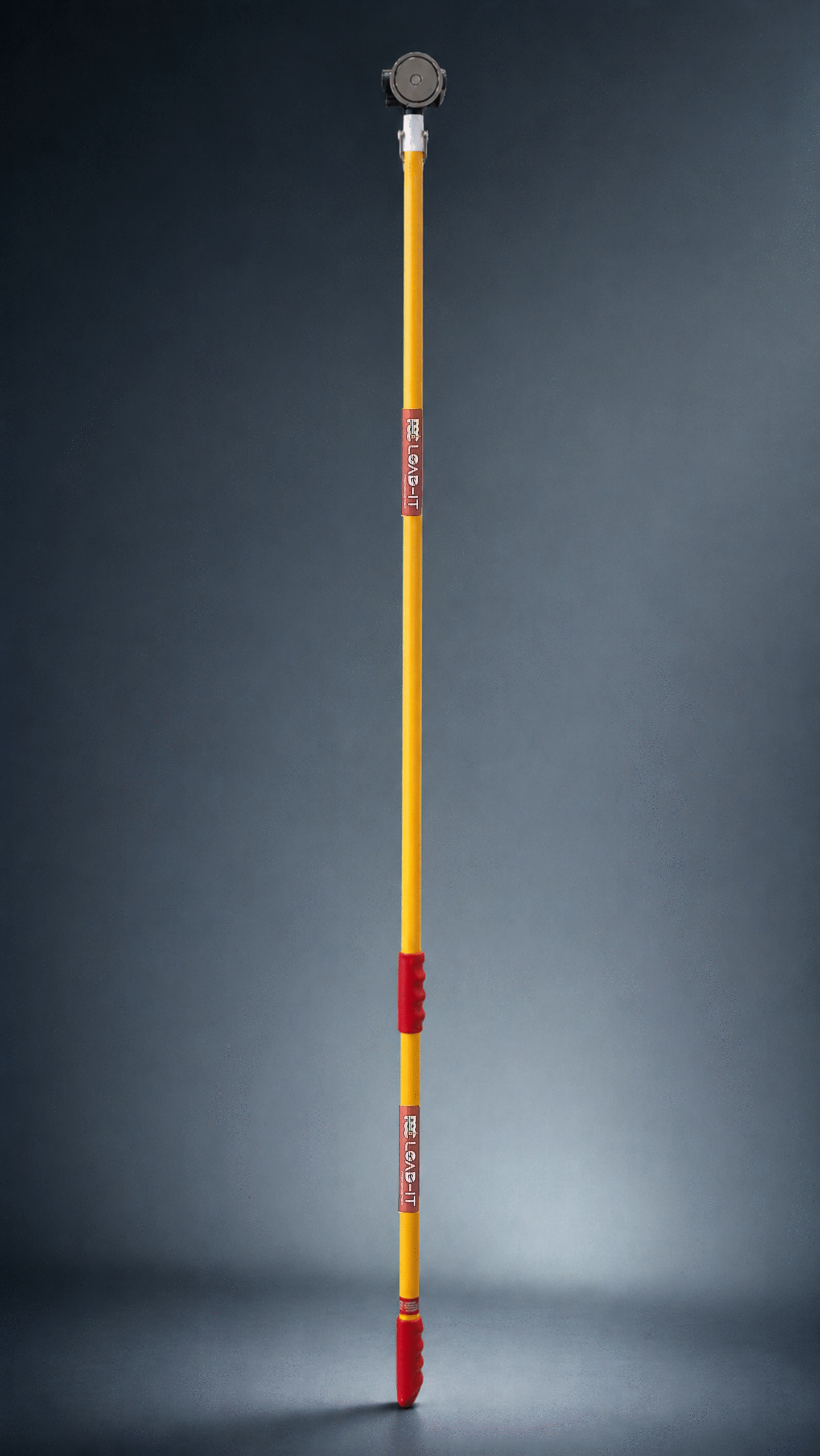
The operator can now apply push force, pull force or rotational correction through the tool. Length creates working distance; articulation adapts as orientation changes.
Correction is applied through the handle, separated from the load surface by the full tool length, keeping the hand outside pinch, crush and swing zones.
Magnetic engagement creates the control point. Tool length creates the distance. Articulation allows that control point to adapt to the application.
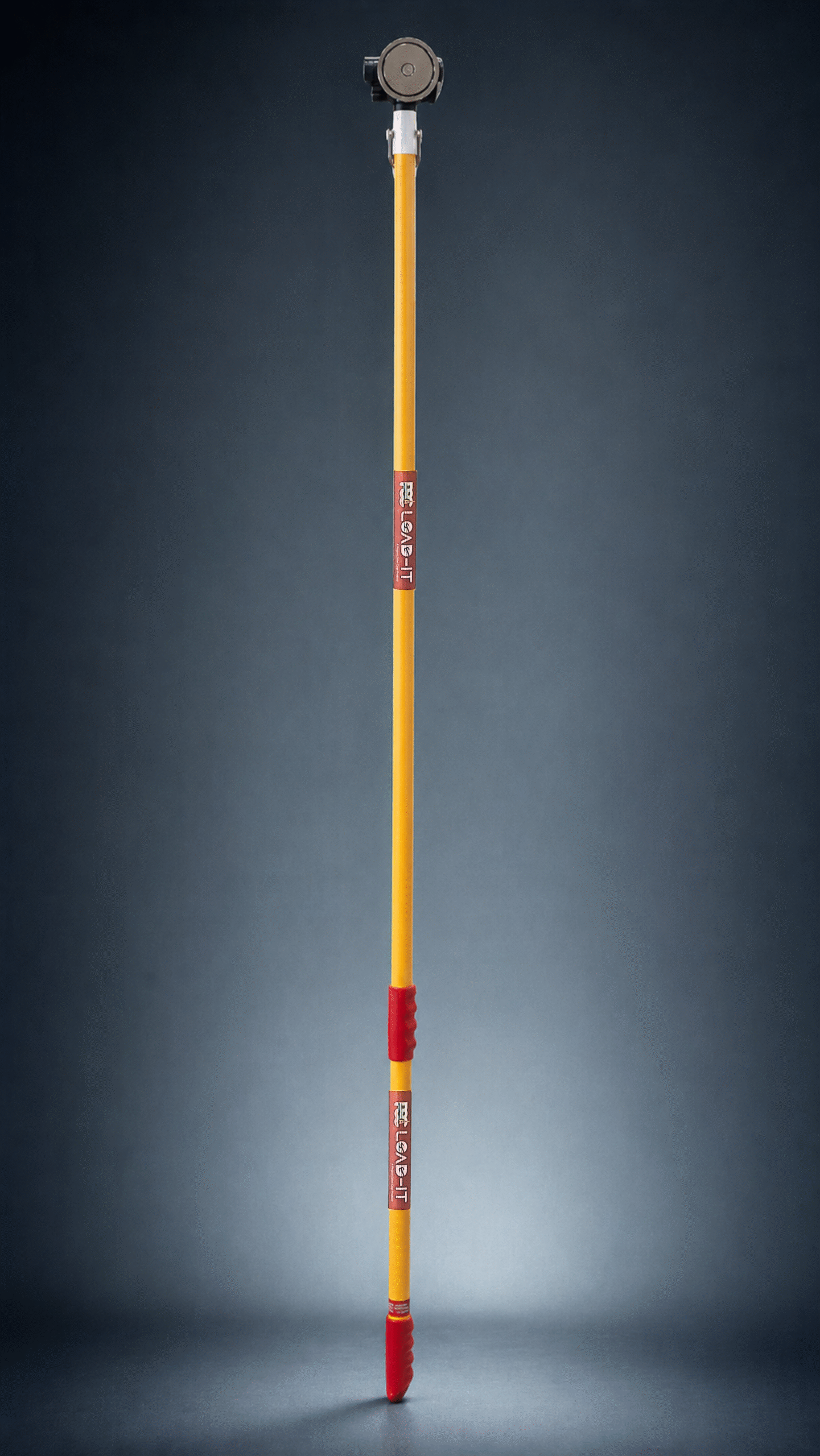
Engage · Guide · Position · Align · Release
Bring the magnetic head into contact with the ferrous surface and verify attachment with a light test pull.
Apply lateral force through the handle while the crane continues to support the load's full weight.
Apply combined lateral and rotational correction to bring the load into its final approach alignment.
Make fine adjustments as the load descends onto its seating surface while keeping the hand clear of the closing gap.
Once the load is fully landed and supported, intentionally disengage the magnetic head by progressively peeling the handle toward its disengagement angle.
Never disengage while the load remains suspended. Release only after the load is fully landed and supported.
Related Engineering Resources
Review the MagHead system, selection logic, magnetic-force engineering and the wider hands-free ferrous-load guidance framework.
Premium Engineering Consultation
PSC's Application Mapping Review examines the actual task — the load, the surface, the access conditions, and the operator's movement — and recommends the correct matched configuration.