
Exposure 01
Leading-edge shear
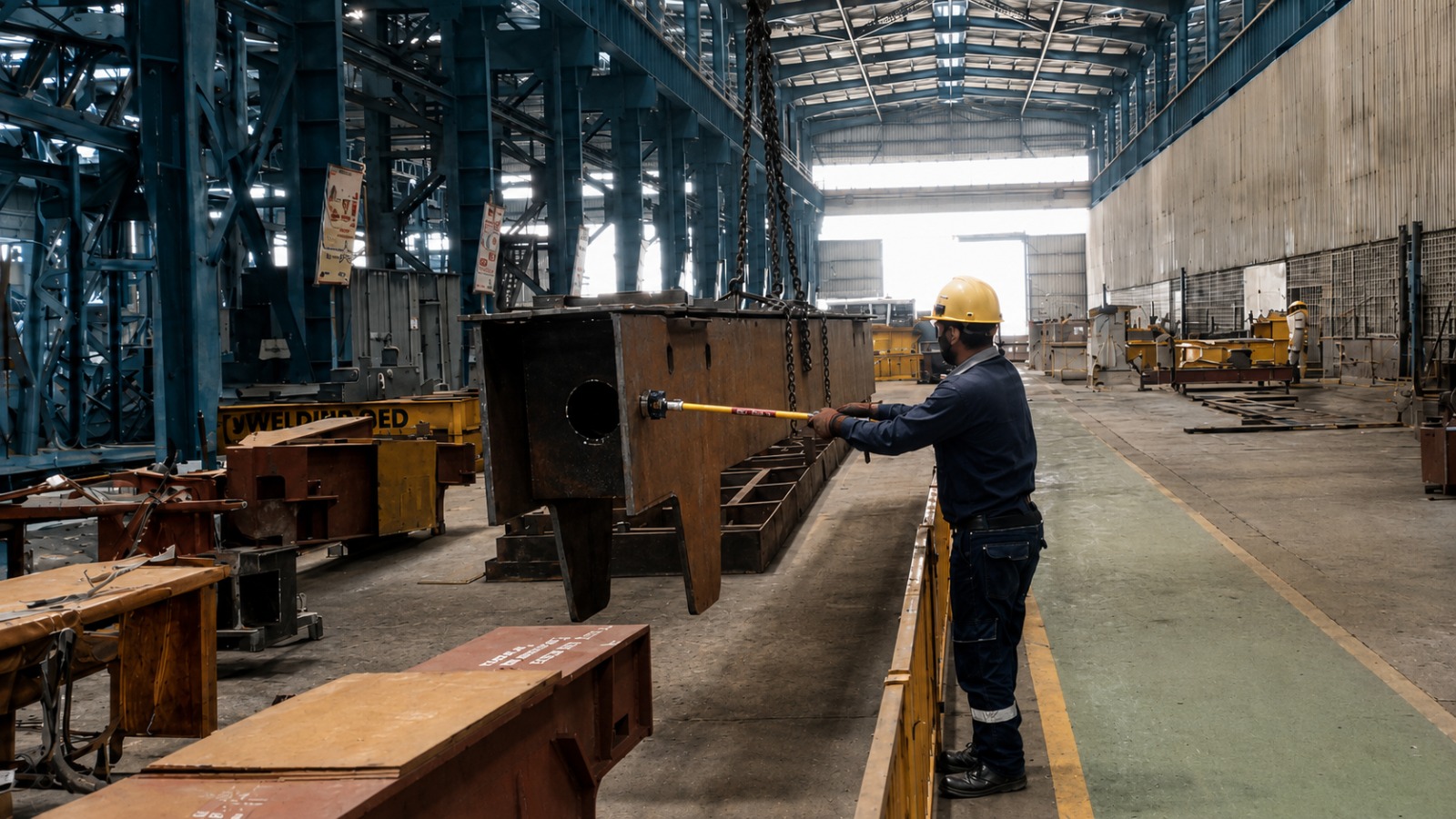
The descending plate passes fixed structures while the operator is attempting to guide it.
Layer 3 · Application Article · PSC Hand Safety
Steel plate guidance during crane lifting and positioning is one of the highest-exposure tasks in heavy industry. This article covers the engineering controls that keep the hand out of the hazard zone.
The Exposure Pattern
Guiding a steel plate suspended from a crane appears straightforward until the plate arrives at its destination — slightly off-angle, drifting laterally, or rotating slowly on the hook. At that moment the instinctive response is to reach out and use the hand to make the correction. That instinct is operationally understandable and physically dangerous.
Steel plates create several distinct hand exposure points during the positioning phase. The leading edge of a descending plate presents a shear hazard as it passes fixed structures. The gap between the plate and a storage rack or receiving surface closes progressively as the plate descends — creating a pinch point that tightens with every centimetre of crane travel. The plate face itself, if grasped to control rotation, places fingers between a moving mass and whatever structure lies behind the operator's hands.
These exposures are not the result of unusual circumstances. They are the normal geometry of steel plate positioning, repeated at every storage rack, every processing station, and every loading bay where plates are handled.
The descending plate passes fixed structures while the operator is attempting to guide it.
The space between plate and rack or receiving surface tightens continuously during descent.
Grasping the plate to stop rotation can place fingers between the moving plate and surrounding structure.
Why Magnetic Guidance Is Appropriate for Steel Plate
Steel plate is one of the most suitable substrates for magnetic push-pull tool engagement.
Where plates carry mill scale, shop primer, or surface rust, attachment quality should be verified on the actual surface with a test pull before committing the tool to a guidance task.
Tool Selection for Plate Guidance
For rack slot entry and storage positioning, the approach angle is consistent and repeatable — the plate descends into the same slot geometry lift after lift.
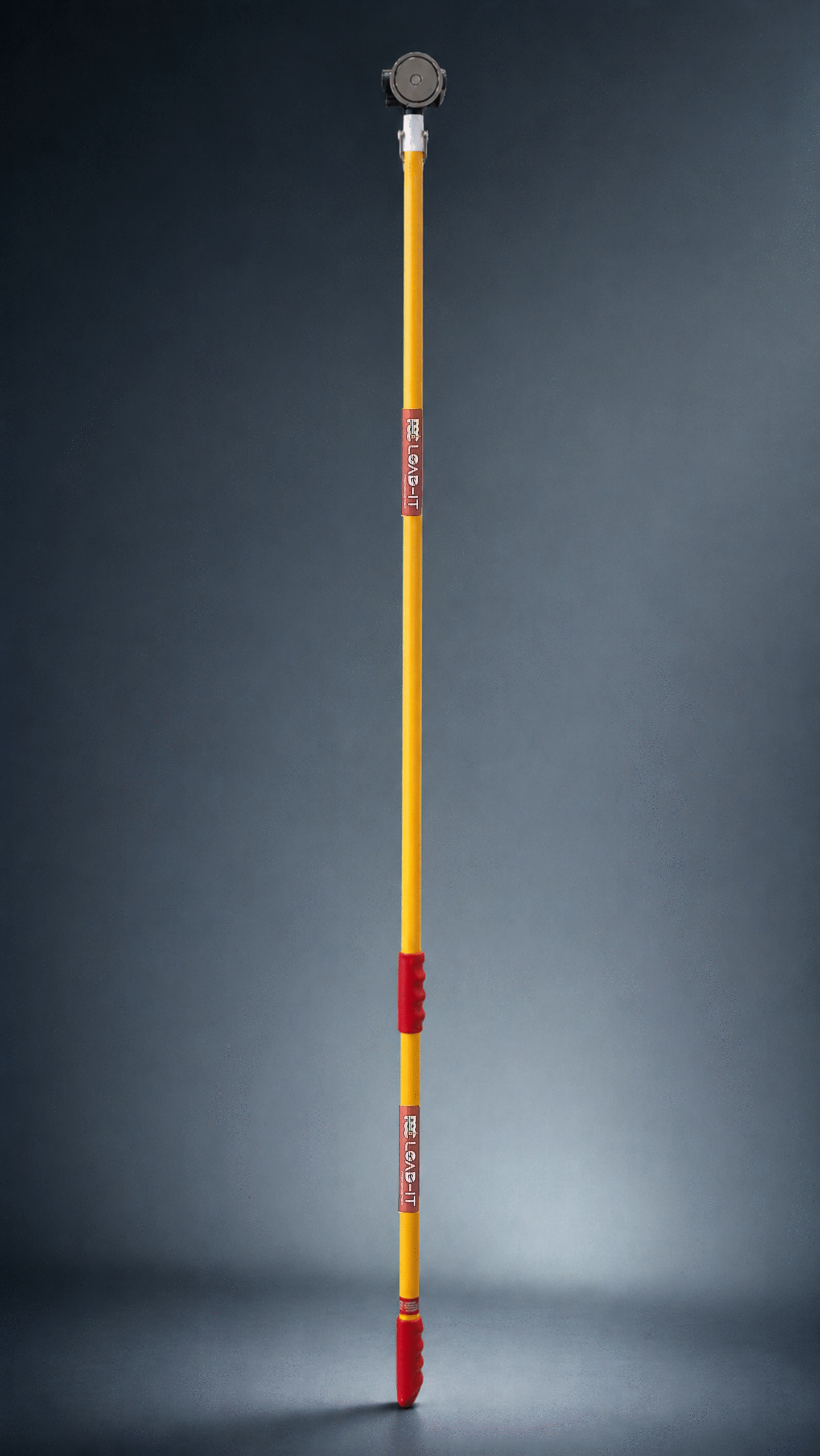
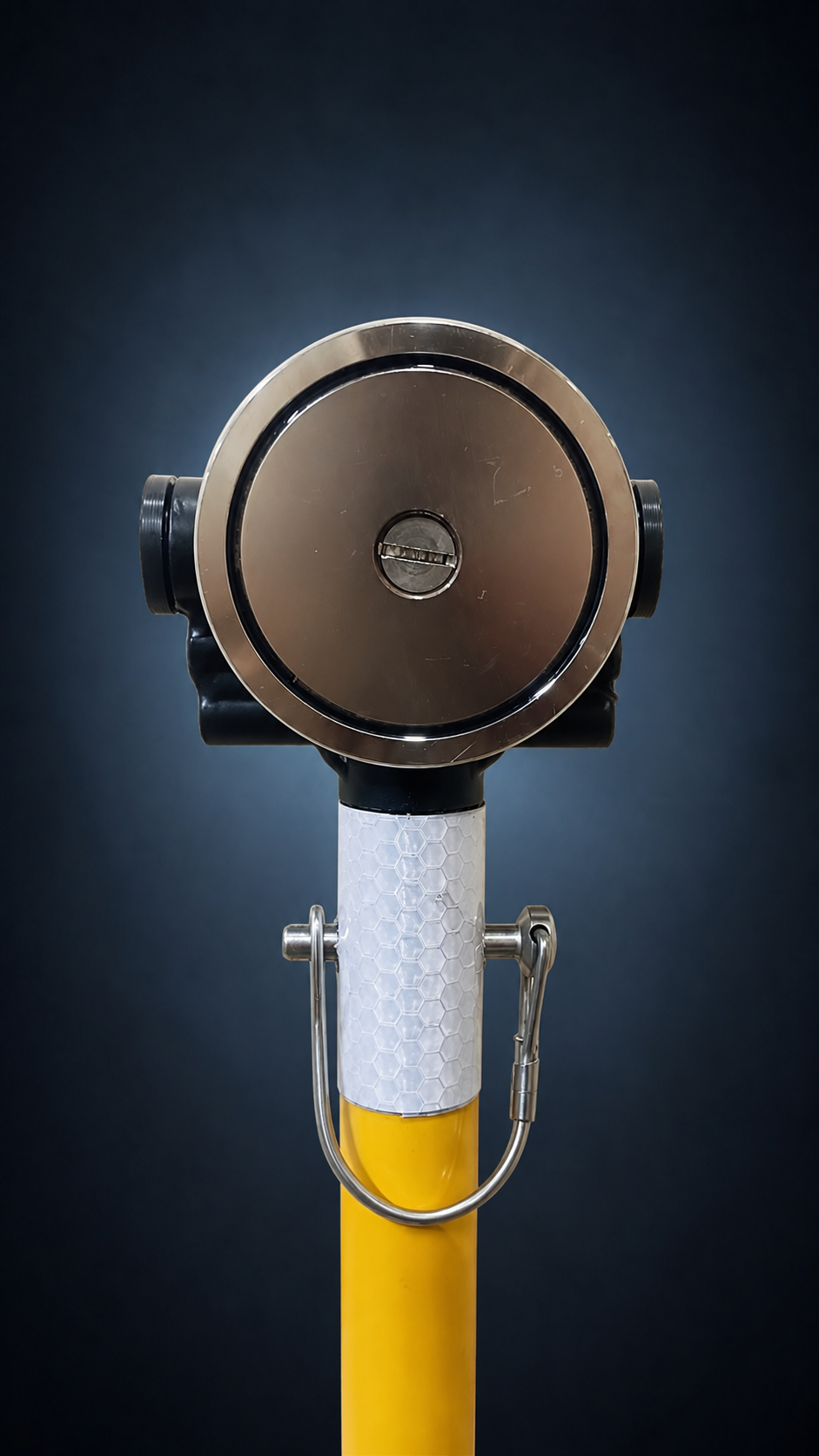
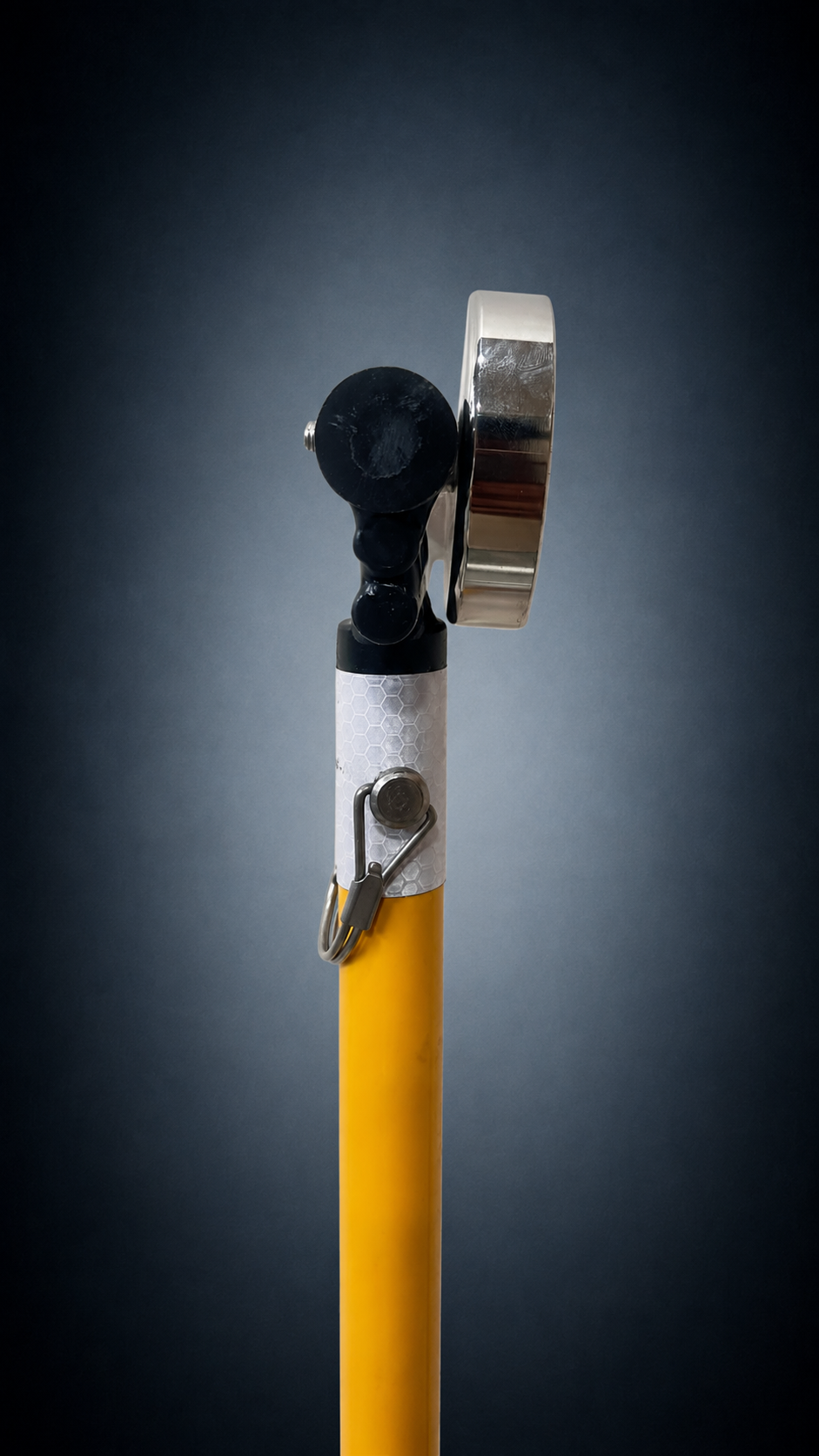
The 90° Flex Head is well matched to this application. The operator works from one consistent position beside the rack, applying lateral correction as the plate enters the slot, with the tool's bounded working geometry reinforcing a safe, repeatable pattern.
Tool length of 2–3 ft (MG002–MG003) is typically appropriate for rack guidance, providing standoff from the pinch zone at the slot entry while maintaining precise control.
Matched to a consistent, repeatable rack-entry geometry.
Provides standoff from the slot-entry pinch zone while maintaining precise control.
The operator guides the plate from beside the rack rather than reaching into the gap.
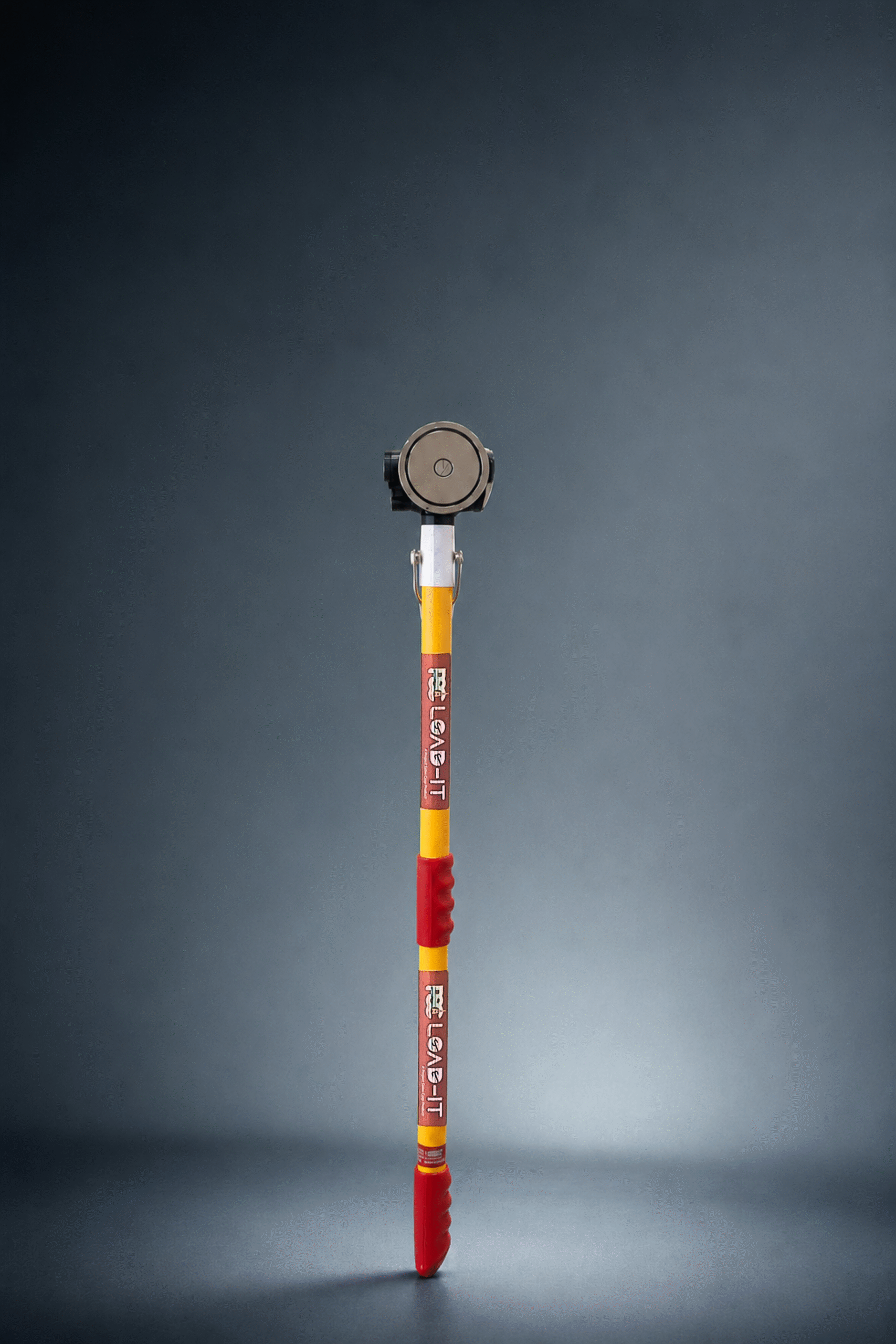
Safe Operating Position
The operator stands beside the rack opening, outside the plate's direct descent path, with the tool applying lateral correction rather than reaching into the gap between plate and rack.
The magnetic interface contacts the plate face at the tool's standoff distance; the hand never enters the closing gap.
Rack rails and slot edges can contaminate the plate's contact surface over repeated cycles. Verify attachment on the actual plate surface before each positioning task — not based on the previous cycle's performance.
Related Engineering Resources
Review the MagHead system, selection logic, magnetic-force engineering and the wider hands-free ferrous-load guidance framework.
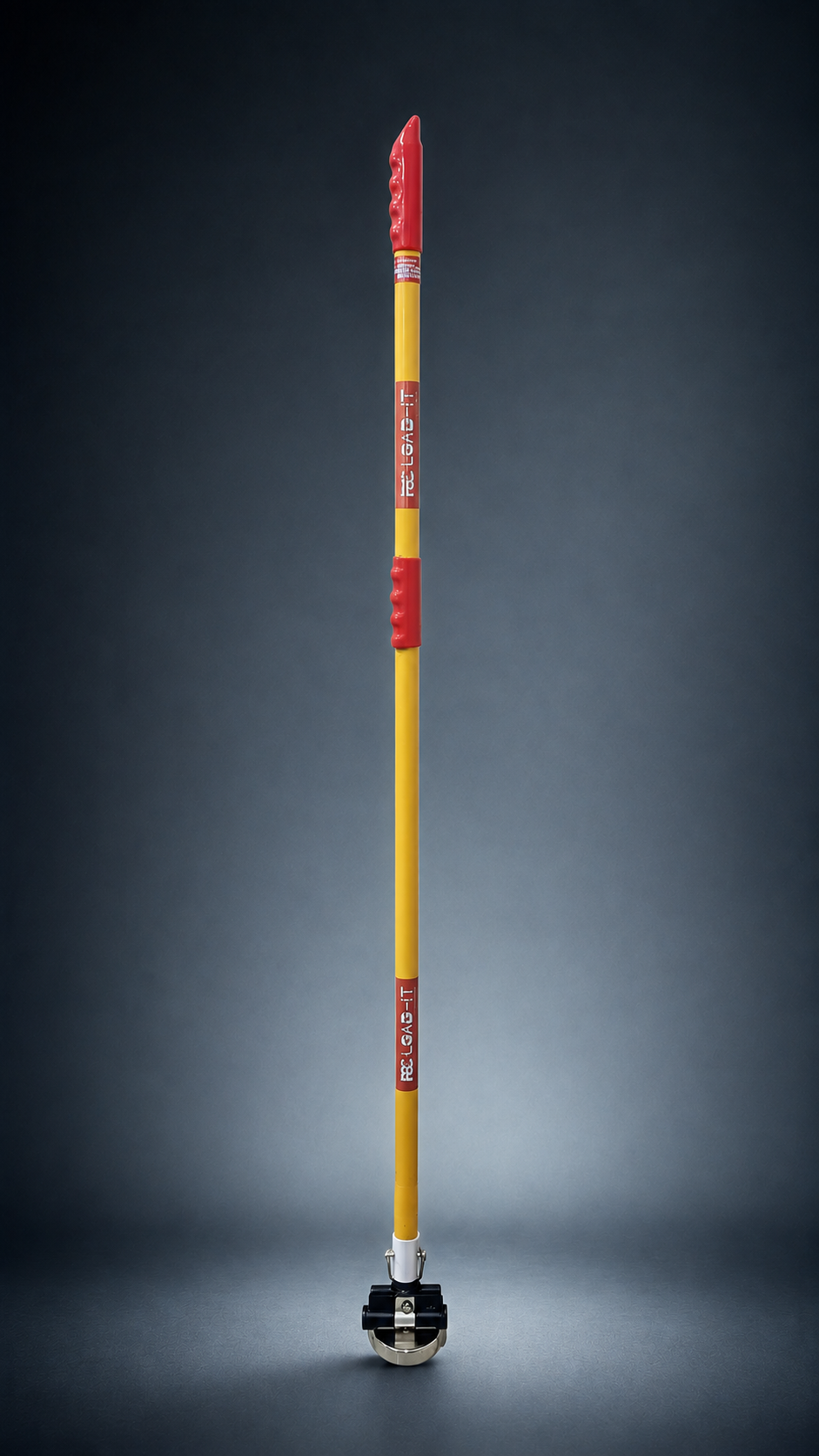
Premium Engineering Consultation
PSC's Application Mapping Review examines the actual task — the load, the surface, the access conditions, and the operator's movement — and recommends the correct matched configuration.