01
Residual swing
Crane travel can leave pendulum movement that is still present during the final approach.
Layer 3 · Application Article · PSC Hand Safety
The Last 300 mm Rule™ is PSC's engineering doctrine for the most dangerous phase of any crane lift. This article explains the physics, the hazard pattern, and the engineering response.
The Physics of the Final 300 mm
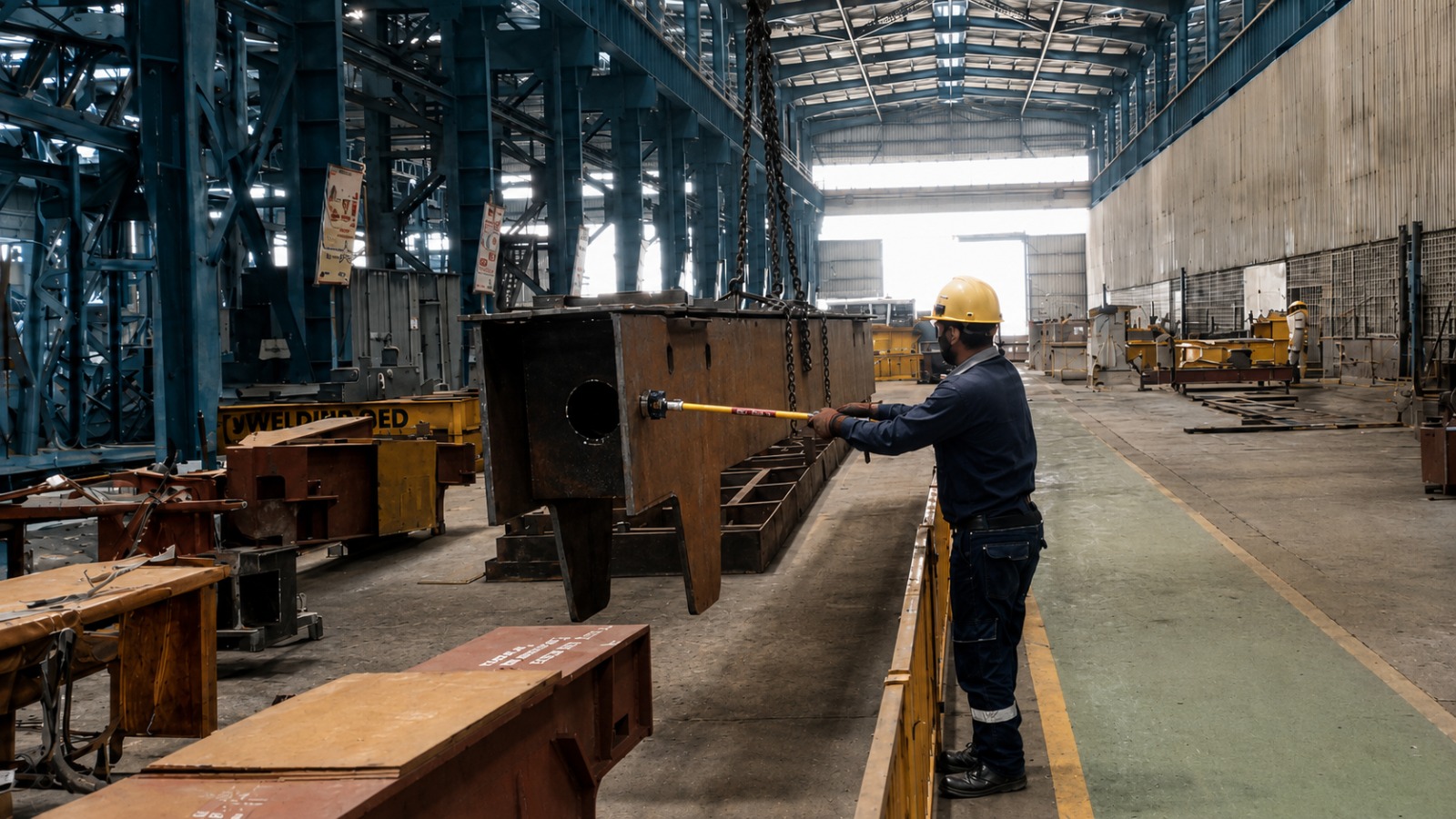
The crane has done its job. The load is in the air, it has crossed the workshop or the deck, and it is settling toward its final position. This is the moment when most workers step closer — to steady it, to rotate it, to guide it onto its seating surface. This is also the moment when hand exposure is highest. Not during the lift. During the landing.
A suspended load almost never arrives at its exact final position through the lifting action alone. By the time it reaches the vicinity of its destination, it carries residual swing from crane travel, settles to a hanging angle determined by its centre of gravity distribution, and may be rotating slowly on the hook.
All of these require correction before the load can be set down cleanly — and that correction must be applied at close range, because the fine directional control that final positioning requires cannot be achieved from the far end of a tagline once the load is within its last 300 mm of travel.
Crane travel can leave pendulum movement that is still present during the final approach.
The centre-of-gravity distribution determines the load's settling angle beneath the hook.
Rotational motion may continue even when the crane itself has stopped travelling.
Why the Last 300 mm Concentrates the Exposure
The Engineering Response
The Last 300 mm Rule™ is not a prohibition — it is an engineering specification. It identifies precisely the zone where an engineering control must operate.
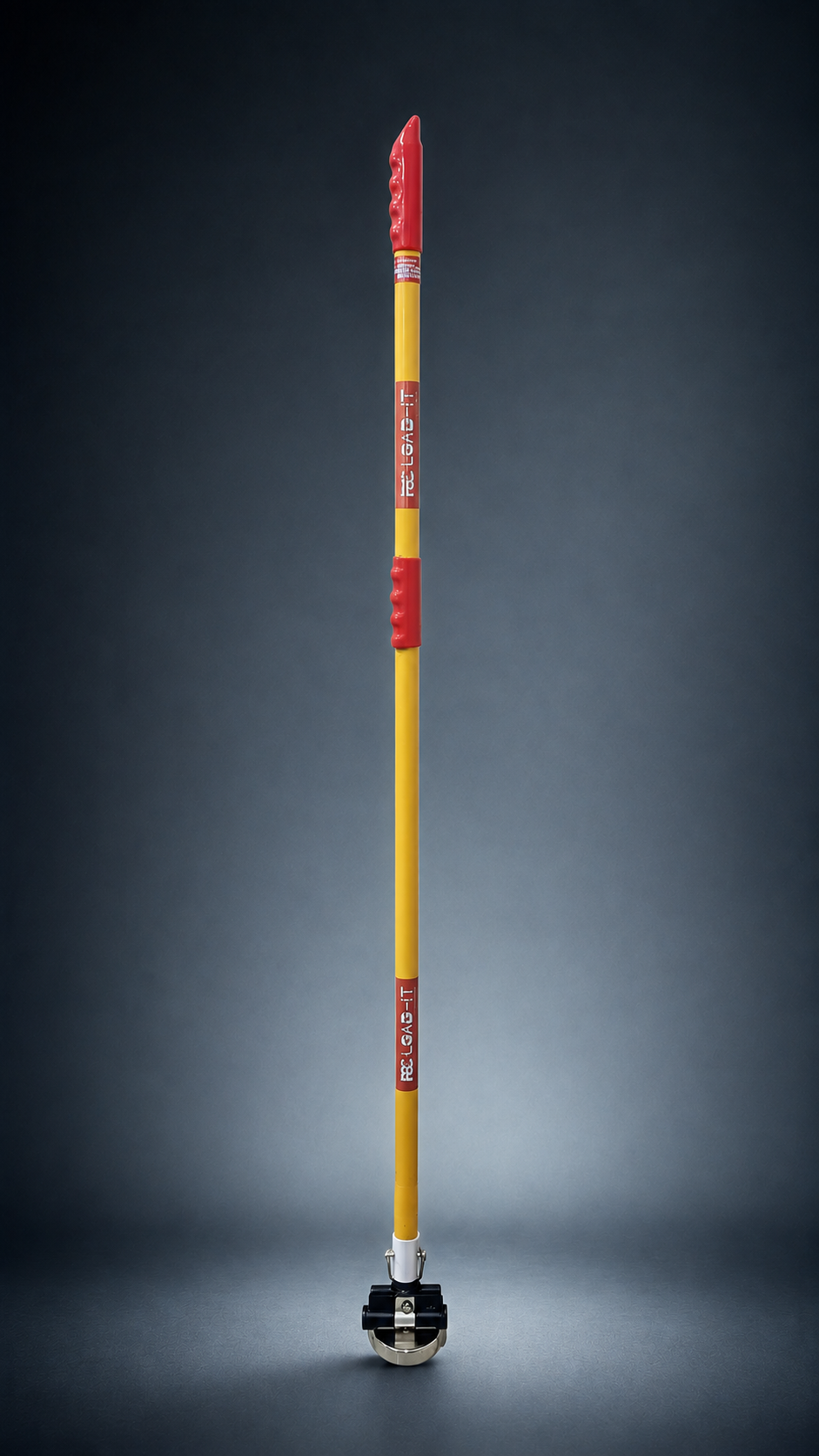
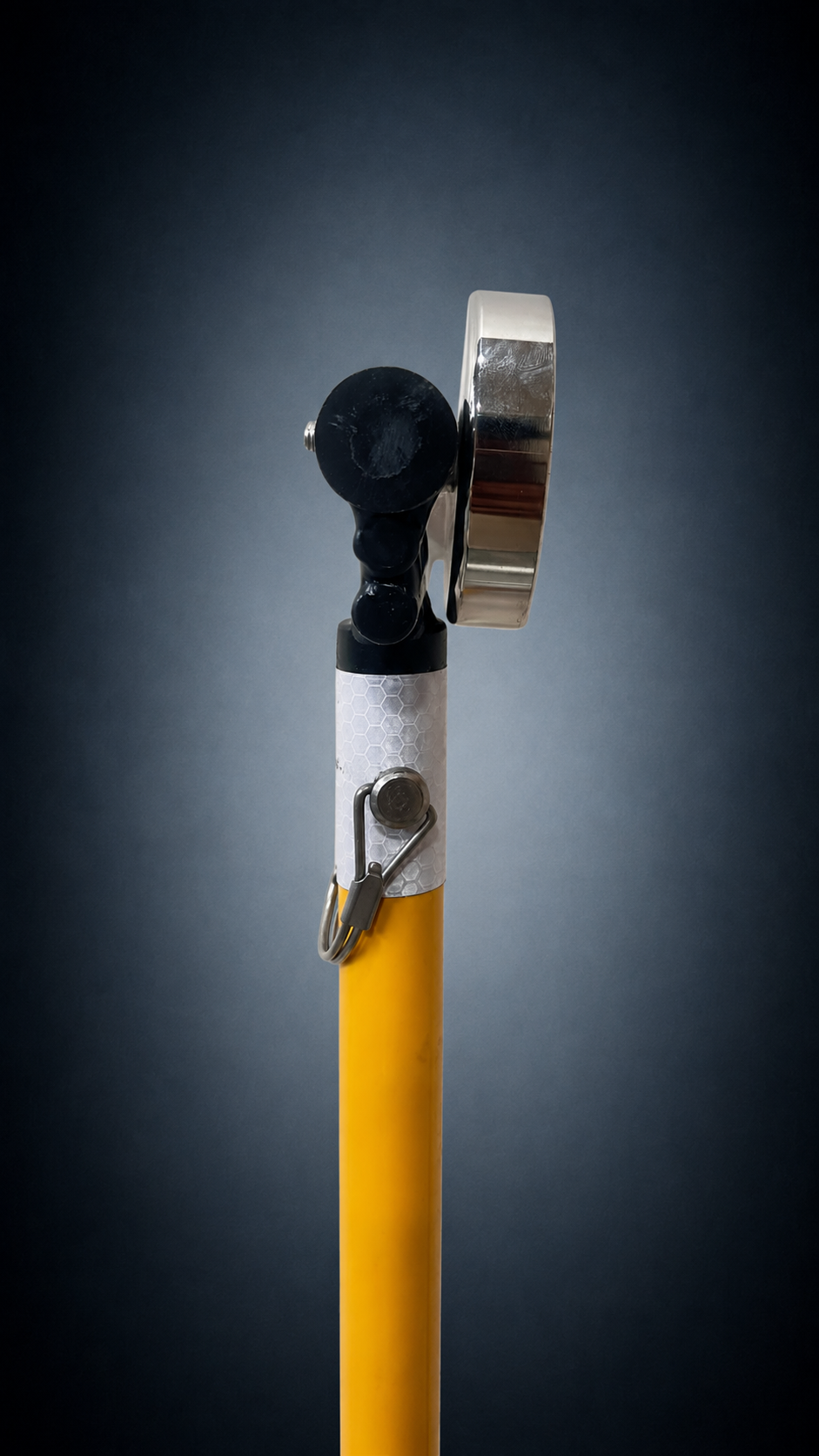
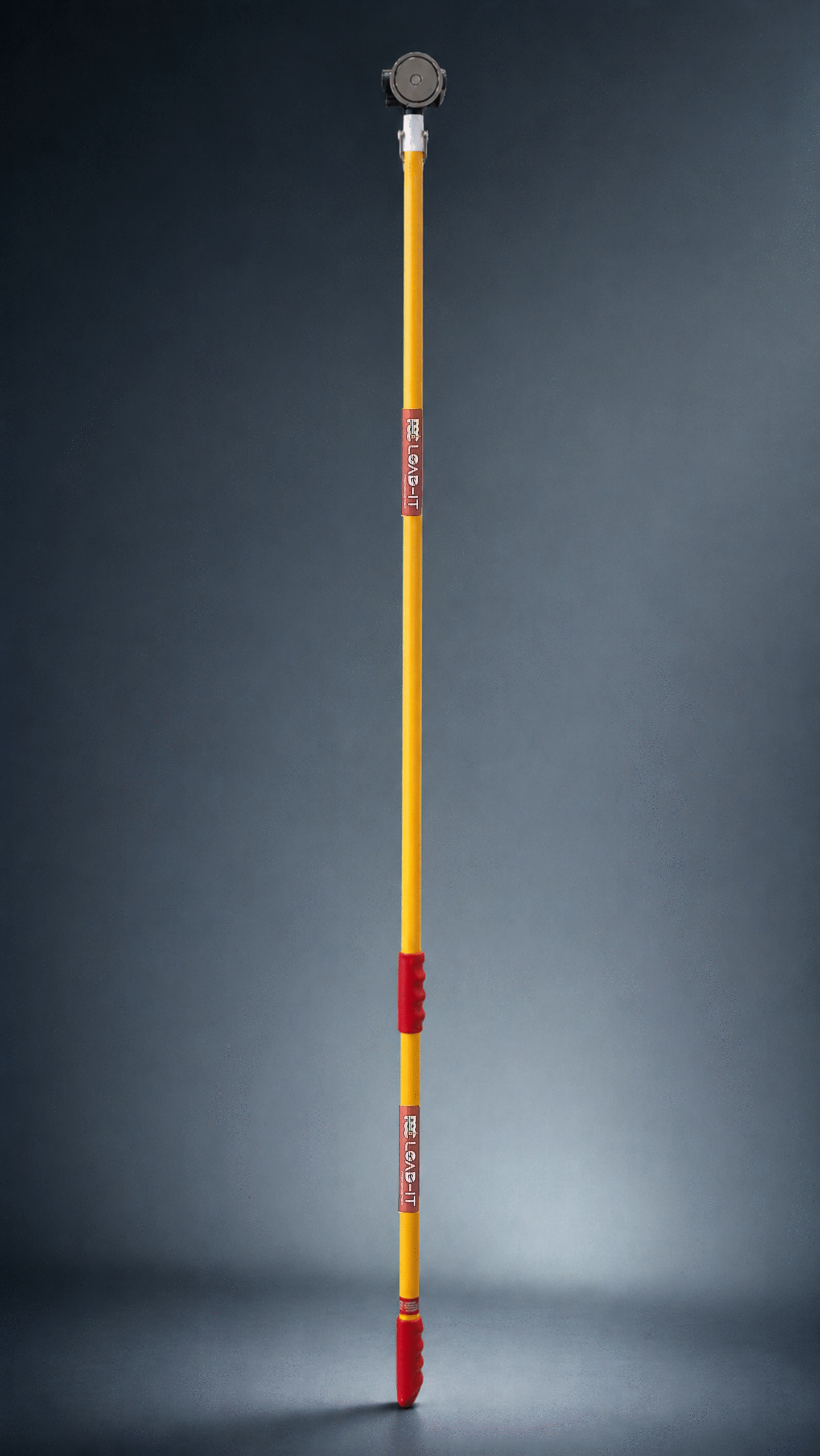
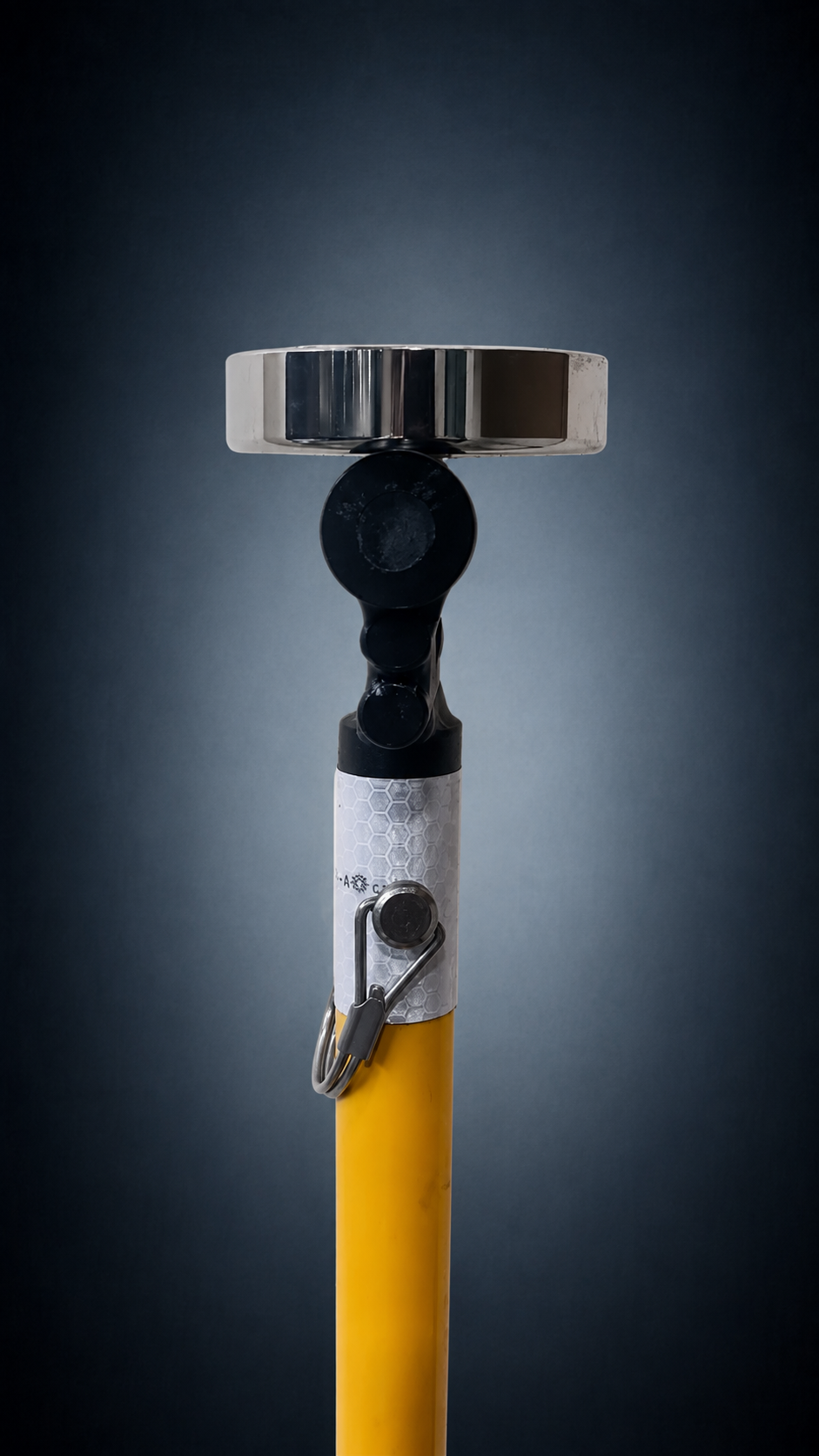
Load-It® MagHead is designed for this zone. The magnetic control point is created on the load's surface at the beginning of the final approach. The tool's length keeps the operator's hand at a defined working distance.
As the load descends through its final 300 mm onto its seating surface, the operator maintains directional control through the tool — not through direct hand contact with the closing gap.
The Last 300 mm Rule™ applies regardless of load size or apparent simplicity of the task. A small correction in the final phase of a routine lift carries the same exposure as a complex multi-step positioning sequence.
Related Engineering Resources
Review the MagHead system, selection logic, magnetic-force engineering and the wider hands-free ferrous-load guidance framework.
Premium Engineering Consultation
PSC's Application Mapping Review examines the actual task — the load, the surface, the access conditions, and the operator's movement — and recommends the correct matched configuration.